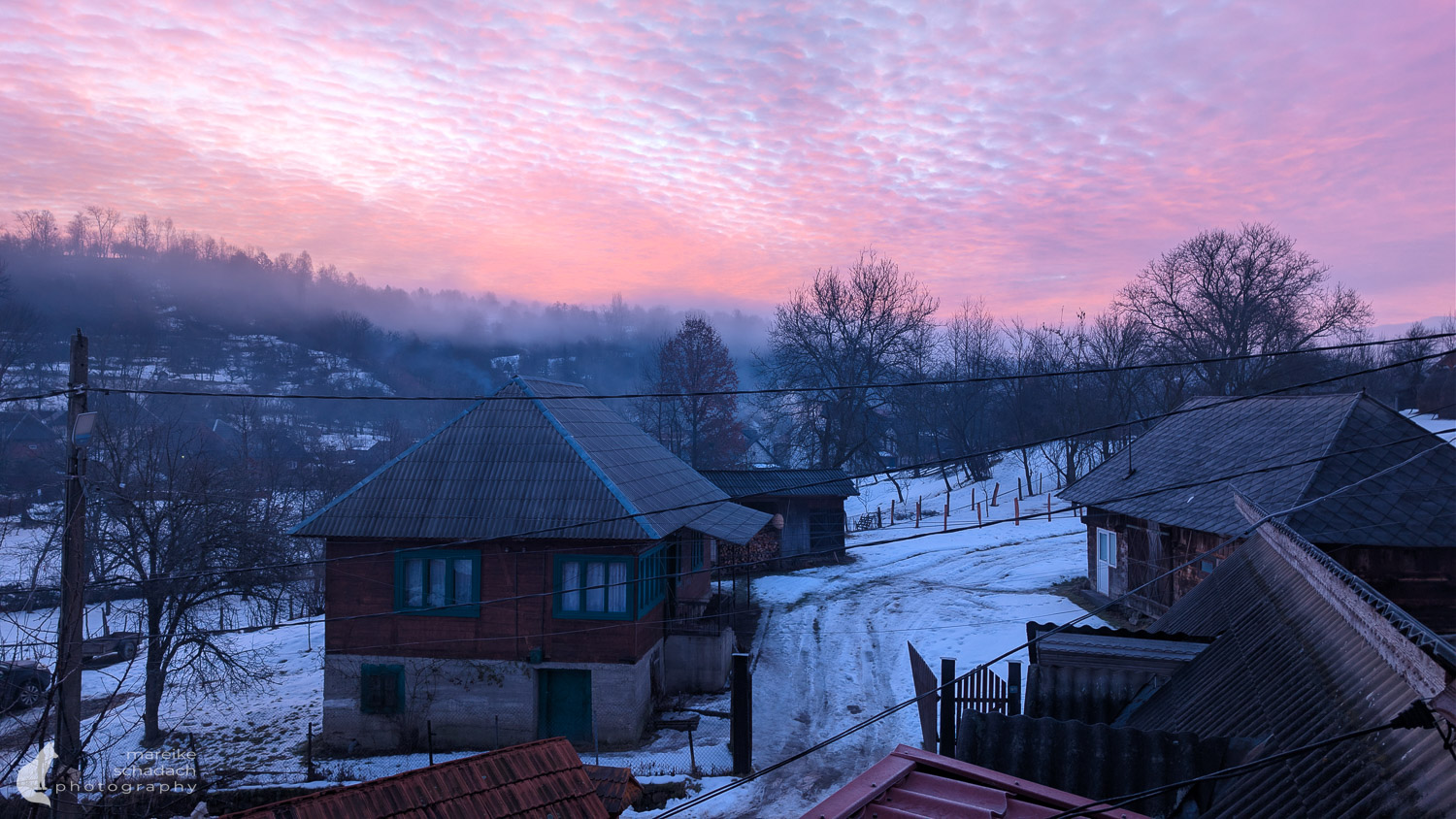
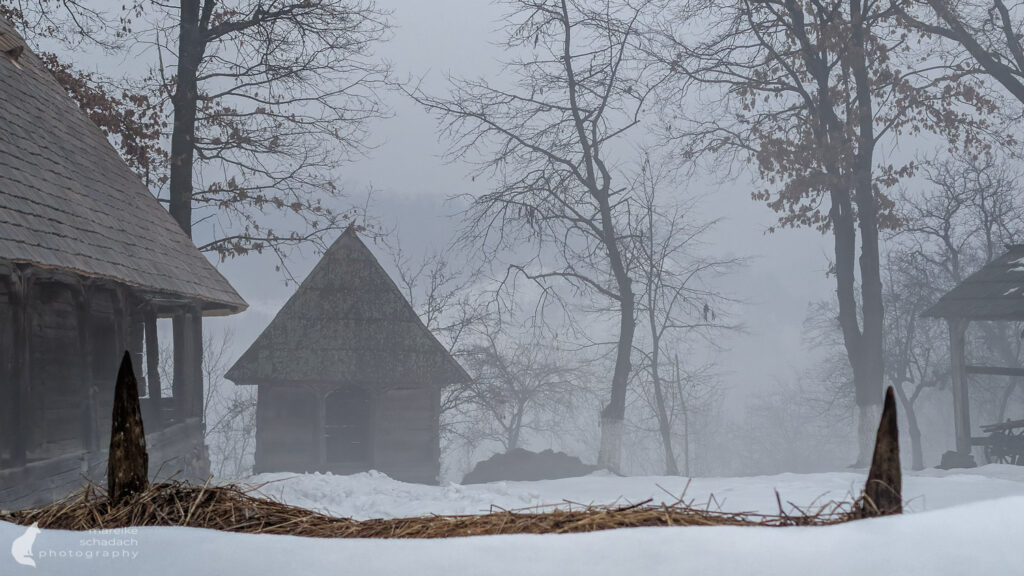
Romania. The morning is quiet in Breb. Fog hangs in the valley, and smoke rises from the chimneys of the timber-framed farmhouses. John, my host, proudly shows me his own distillery. In a shed resembling a cowshed, he produces traditional Țuică here. Like almost everyone here in Maramures, which is arguably one of the most remote regions in the country. Maramures is known for its UNESCO-listed wooden churches, the “Merry Cemetery,” and its traditional crafts. Most people visit the area in the fall, during harvest season. I, on the other hand, am drawn to experiencing Maramures in the winter.
Unassigned, unpaid advertising. The article contains affiliate links.
Surrounded by Mountains
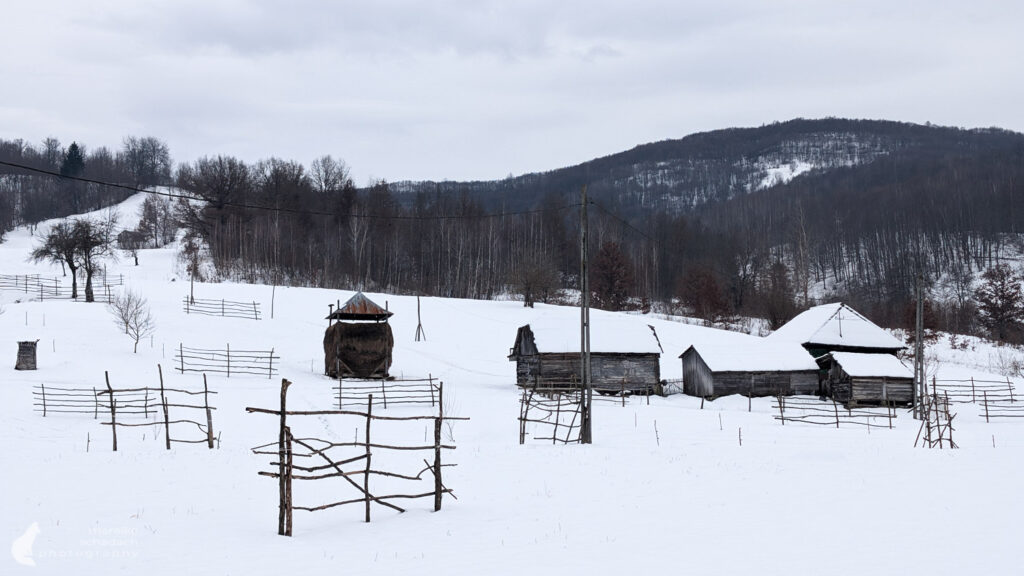
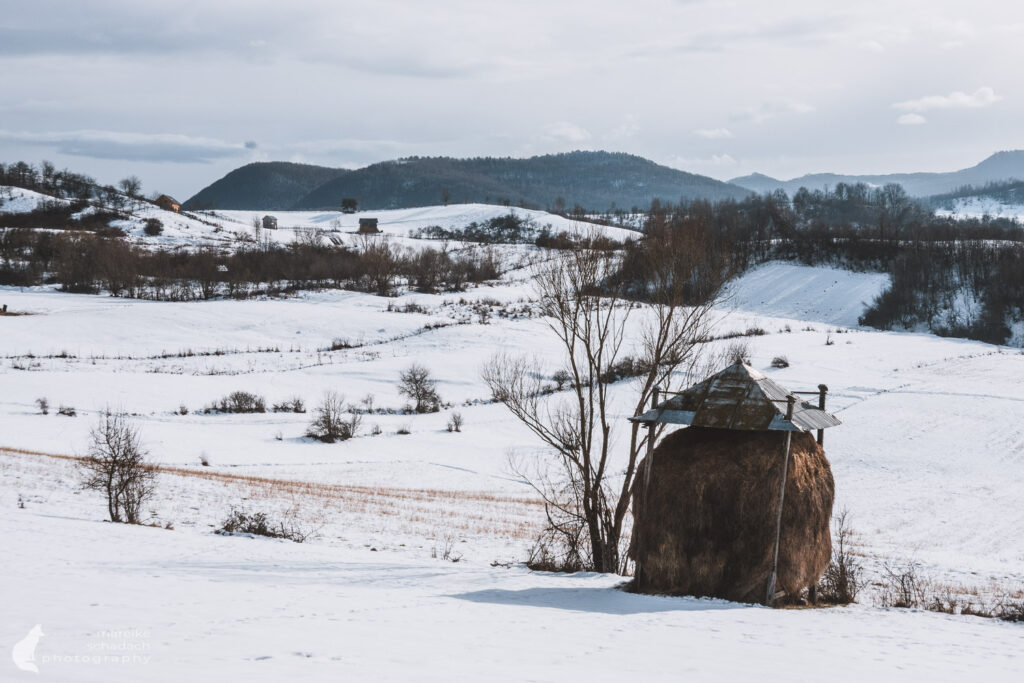
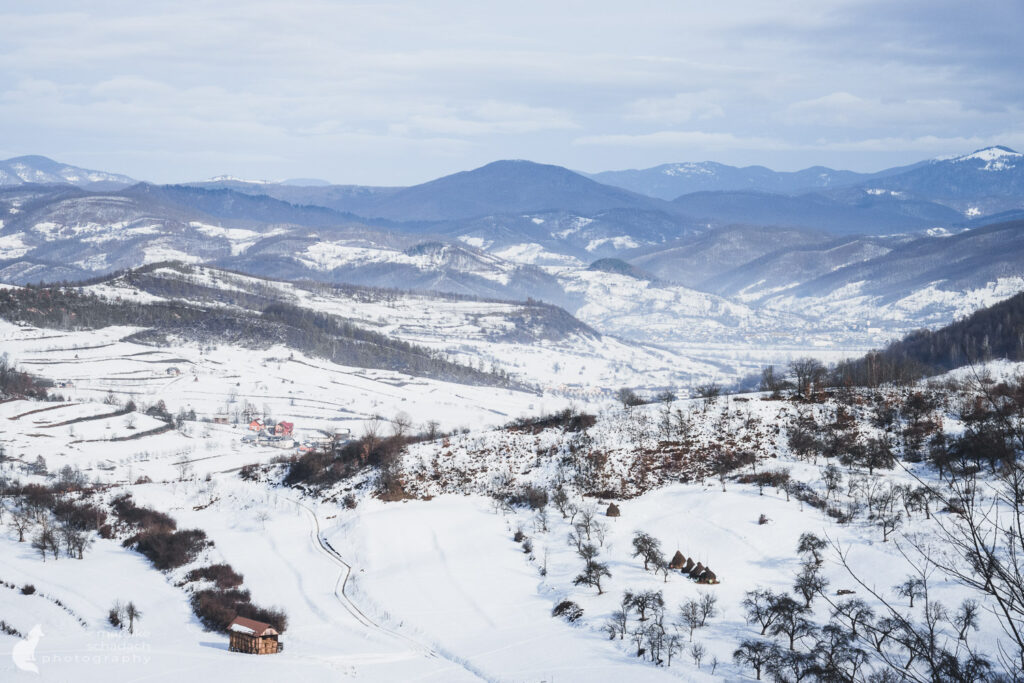
Maramures is located in the far north of Romania and is surrounded by the Eastern Carpathians. From the Rodna Mountains in the southeast of Maramures, Pietrosul Rodnei—at 2,303 meters, the highest peak in the Eastern Carpathians—looks down upon the valley basin. To the north and northeast, along the border with Ukraine, stretch the sparsely populated Maramures Mountains. It is precisely this mountainous location that has allowed many old traditions, architectural styles, and customs to survive in Maramures to this day. Winters used to be long and harsh, with snowfalls sometimes cutting off roads and villages from the outside world for days on end. But climate change is making itself felt: In the winter of 2024/25, there was almost no snow at all.
The landscape itself is one of rugged beauty: Dense spruce, fir, and beech forests characterize large parts of the region; at higher elevations, alpine meadows are home to gentian, arnica, and wild berry bushes. In spring and summer, species-rich mountain meadows bloom, while winter creates a quiet expanse. The fauna is equally impressive: brown bears, wolves, and lynx roam the forests, red deer and roe deer graze at the forest edges, and golden eagles and other birds of prey circle above the valleys.
The wild heart of the region is the Maramures Mountain National Park, which, at over 150,000 hectares, is one of Romania’s largest national parks. But even here, the wilderness is not safe. In recent decades, Romania has repeatedly faced criticism for illegal logging. Entire slopes disappeared as logging companies used chainsaws to penetrate deeper into the forests than was permitted. The EU has issued multiple warnings to Romania because protected areas were not being consistently monitored.
Wooden Houses, wooden Gates, and wooden Churches in Maramures
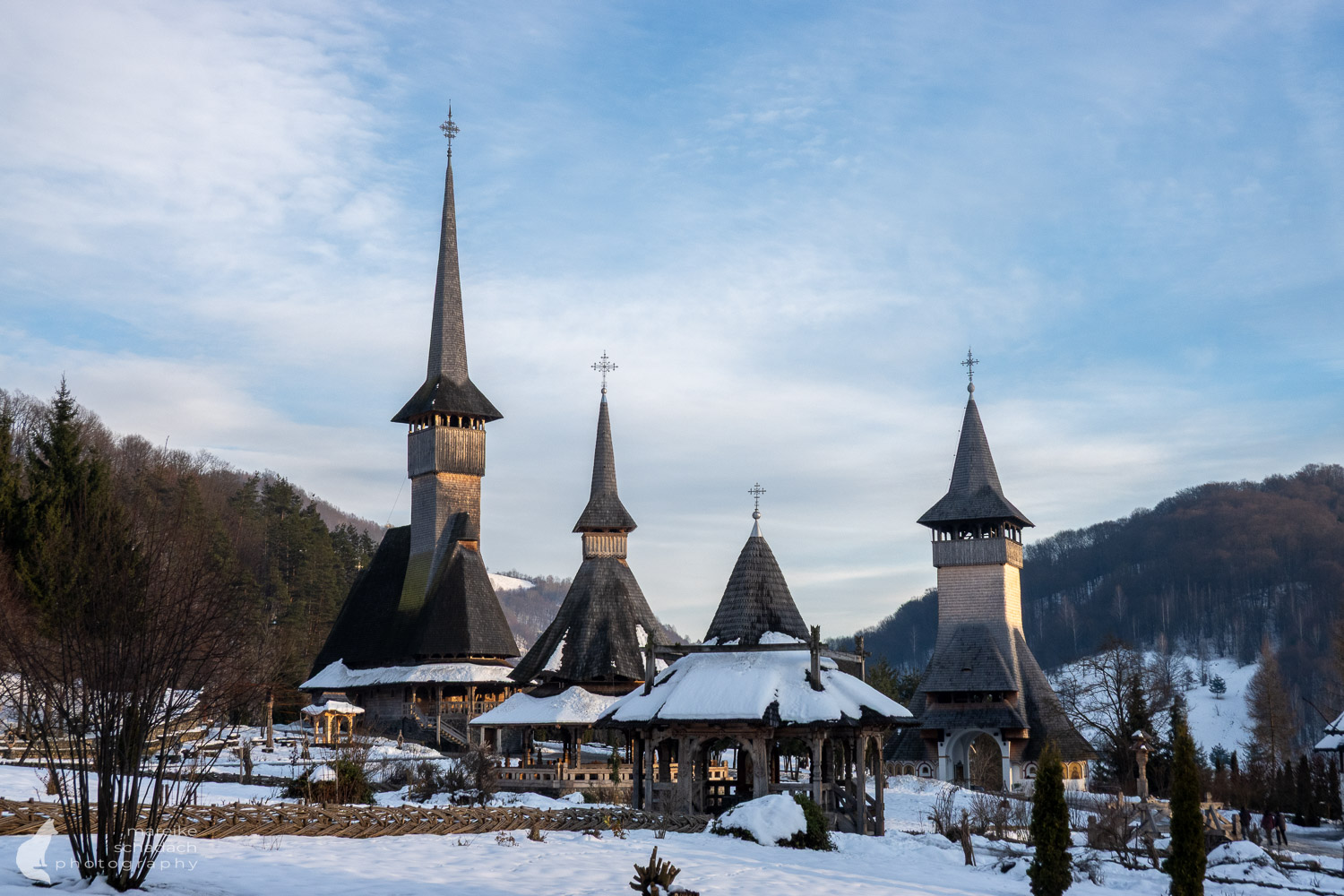
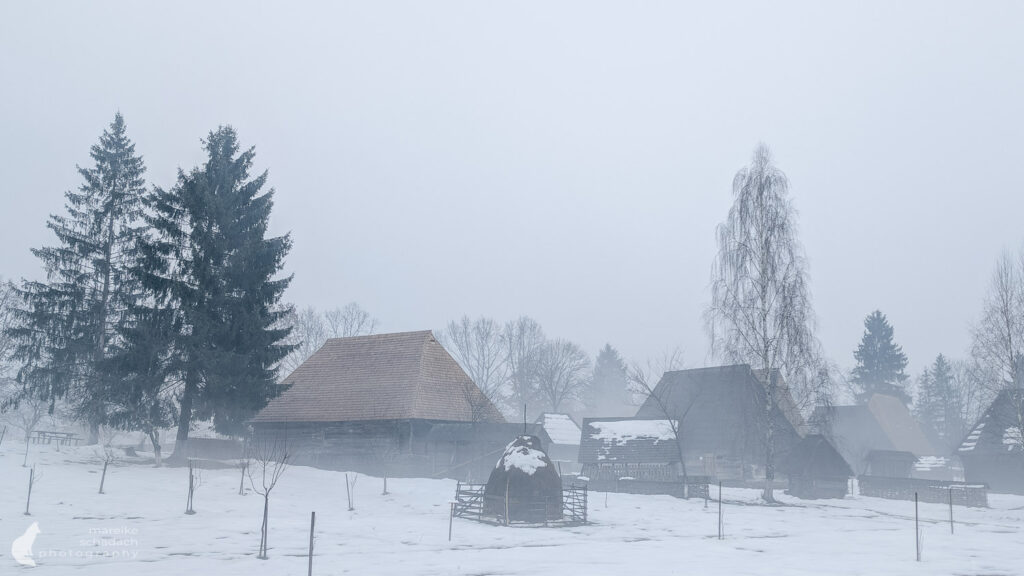
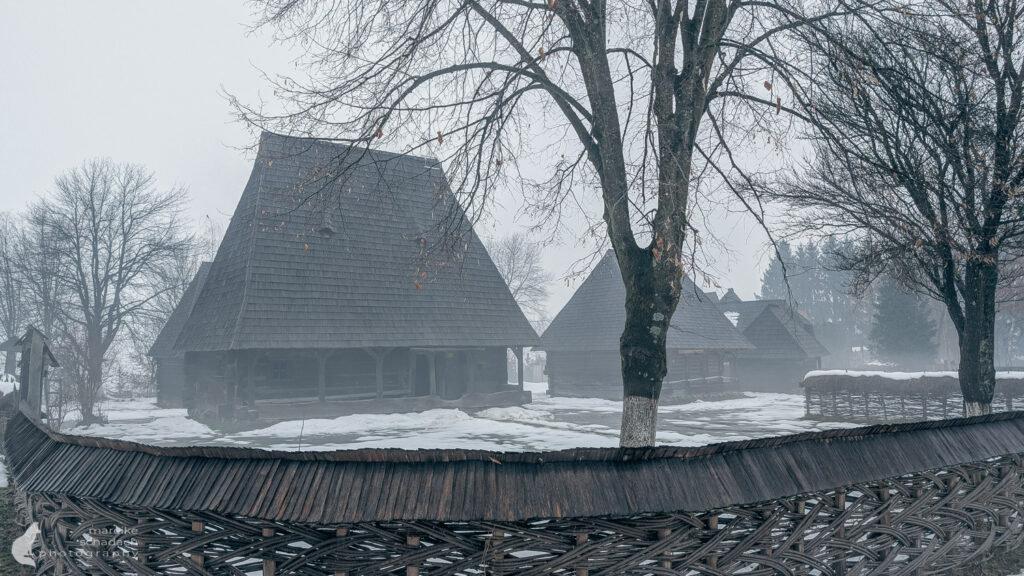
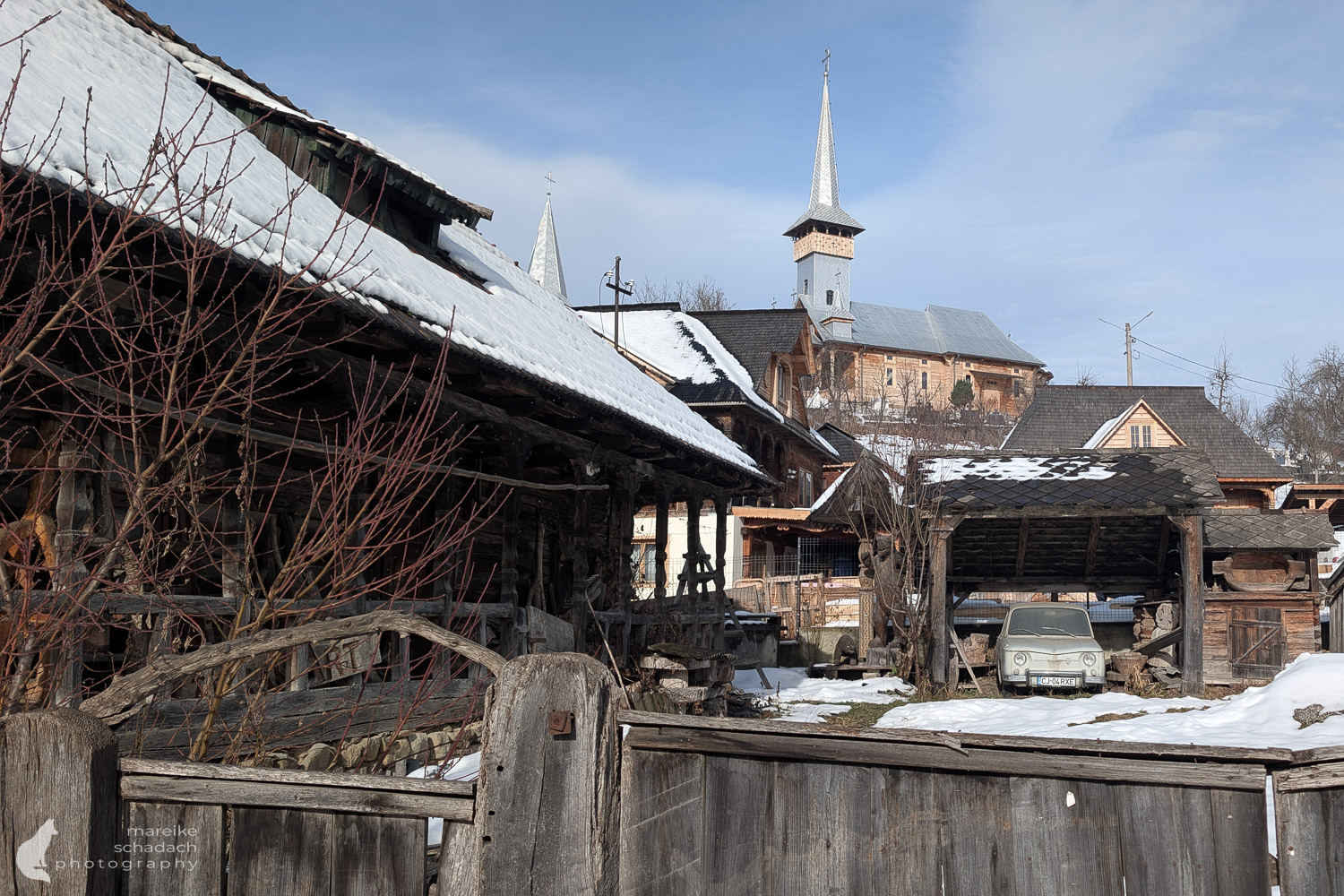
Wood is the material that defines Maramures like nothing else. Houses, fences, gates, and entire churches here are carved, doweled, and assembled. The most famous examples are the wooden churches. Eight of them are officially designated as UNESCO World Heritage Sites. Each one is unique. In winter, they look even more impressive: the tall, pointed towers pierce the gray sky like spears, and when you step inside, every beam creaks.
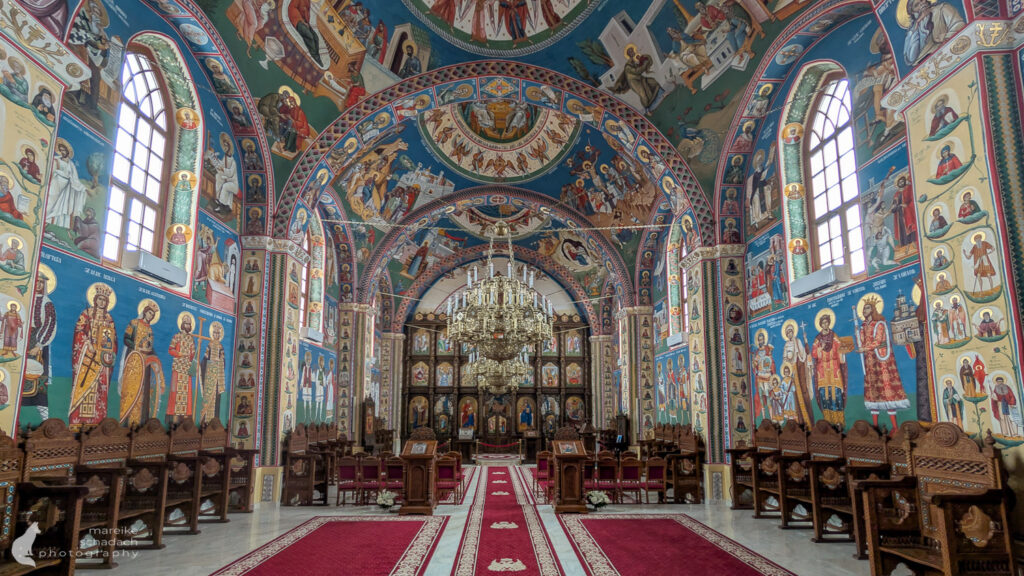
I visit the wooden church in Desești, a smaller but colorful place of worship. Frescoes dance across the walls, depicting the Last Judgment: angels guiding souls, devils devouring them. These churches are not only places of worship but also community centers and testaments to centuries-old craftsmanship. The Bârsana Monastery, in particular, remains etched in my memory. Its wooden church with its slender towers rises beautifully above the slopes. Pilgrims come here even in winter. It is a place of faith and a total work of art made of wood, stone, and landscape. Equally impressive is the Peri Monastery in Săpânța, whose 78-meter-tall wooden church is considered the tallest wooden church in the world.
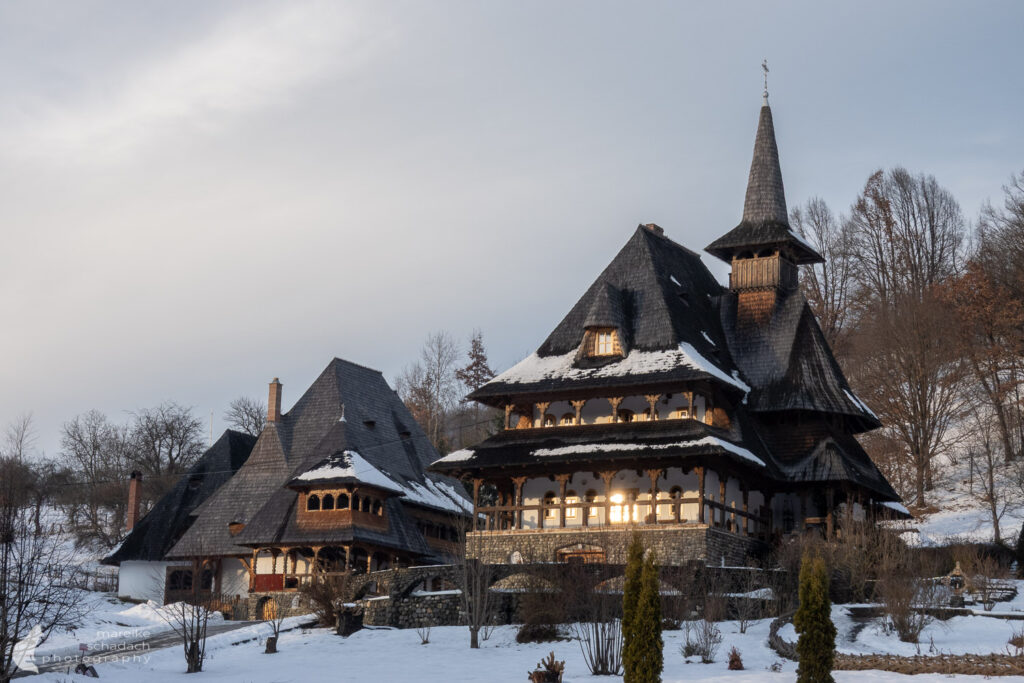
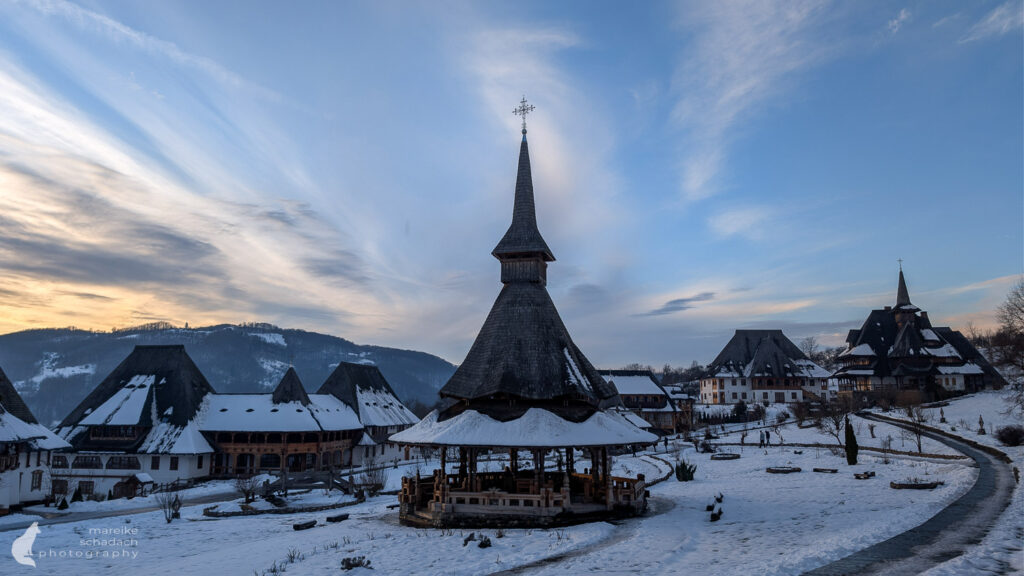
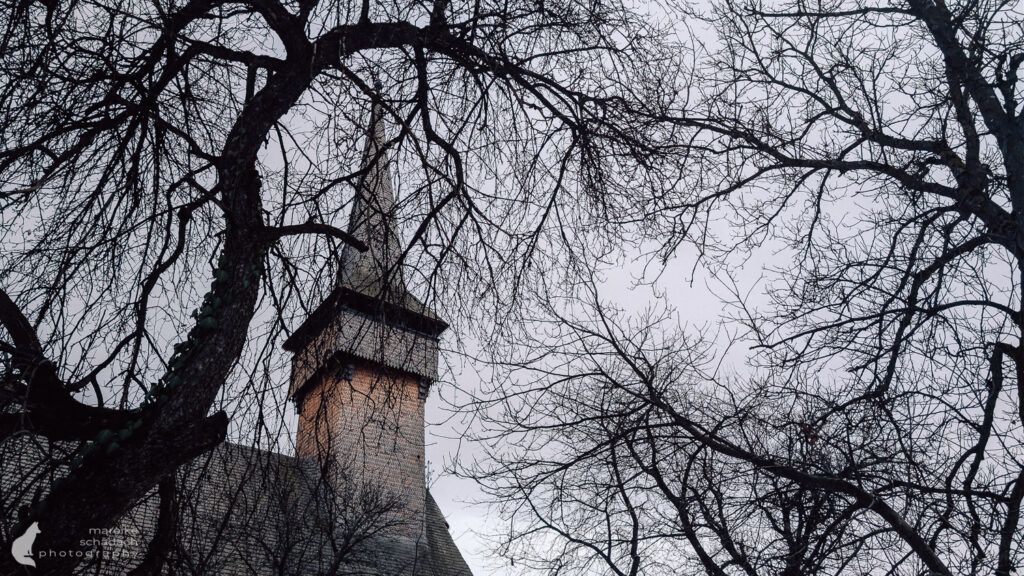
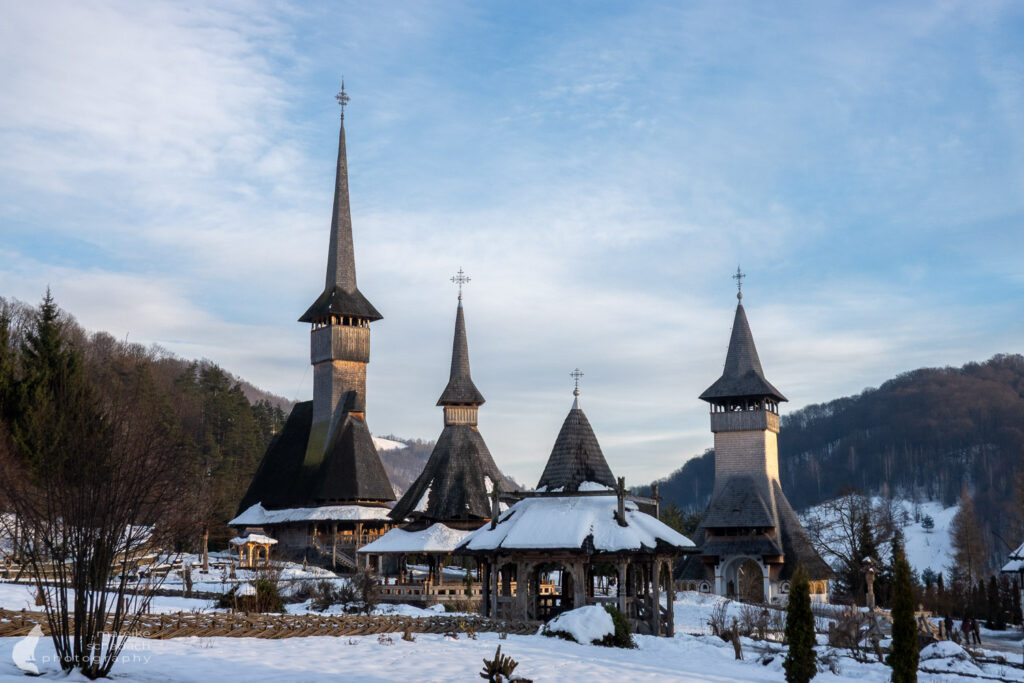
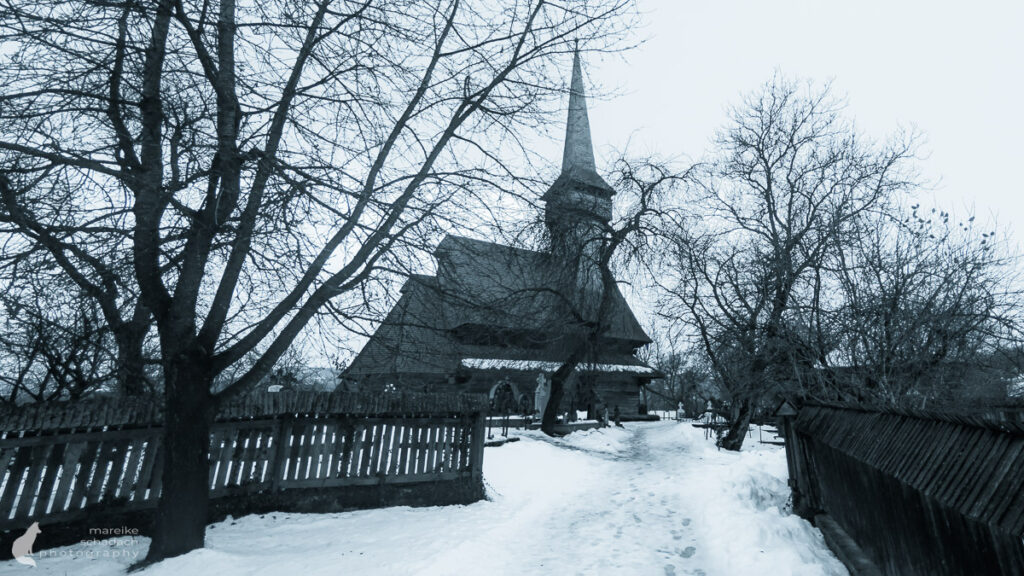
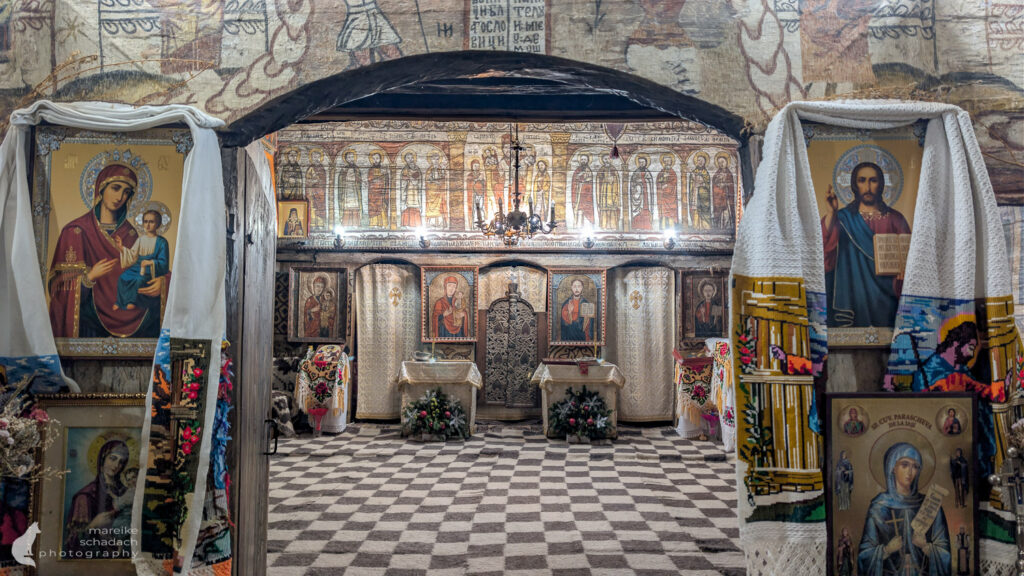
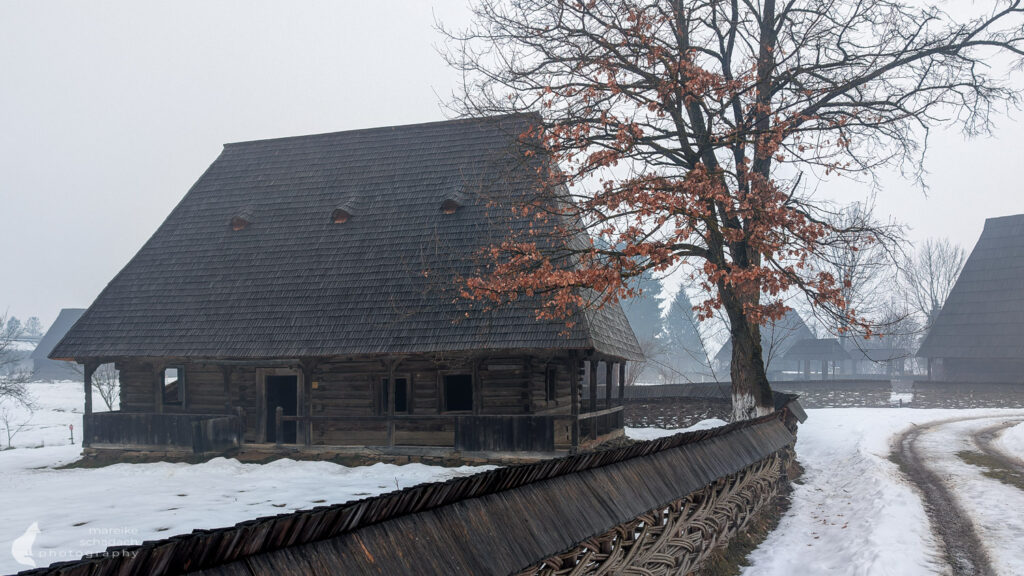
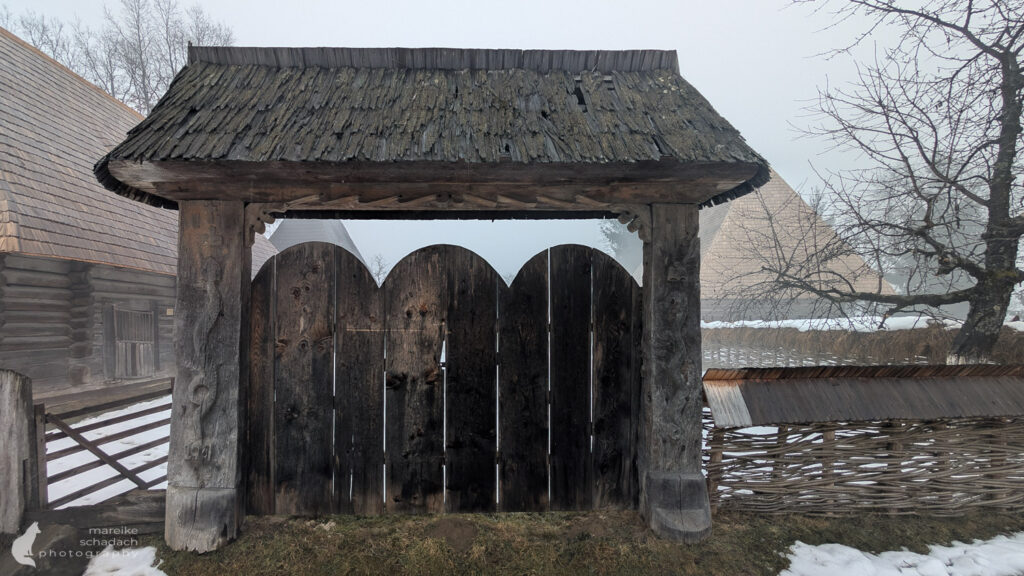
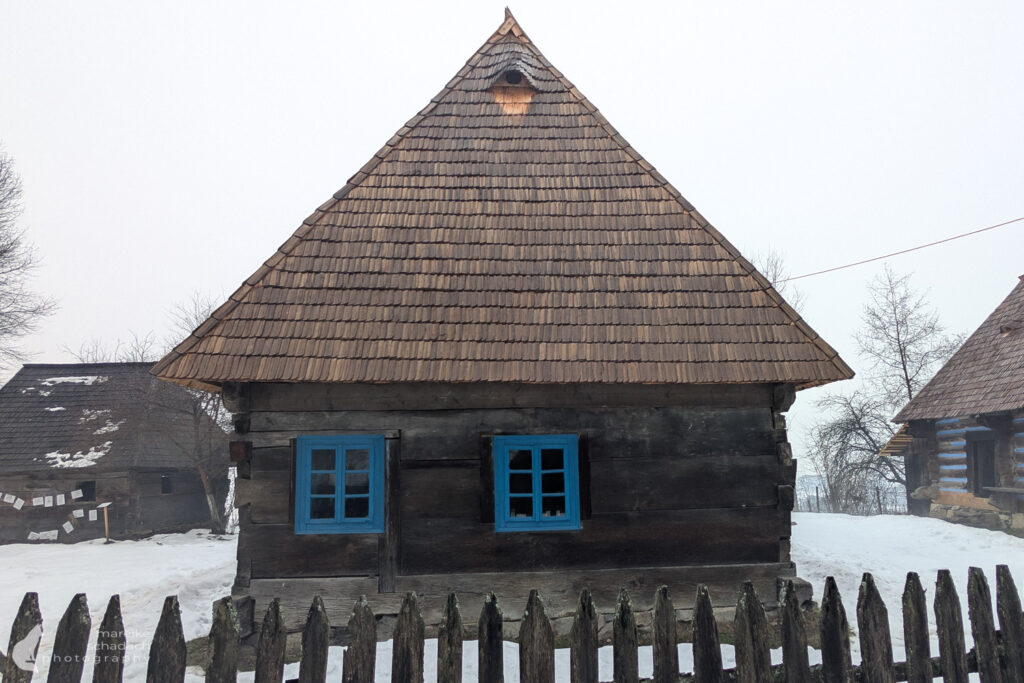
The traditional wooden architecture of the villages in Maramureș is among the most impressive examples of rural building traditions in Europe and reflects a centuries-old tradition of craftsmanship. Characteristic features include houses built entirely of wood, with steep shingle roofs that slope deeply downward to withstand the harsh winters of the Carpathian region. Particularly striking are the artistically carved wooden gates, which not only serve as entrances to the courtyard but also symbolize the family’s social status and identity. The largest and most elaborate wooden gates can cost up to 20,000 euros. They often feature ornamental motifs such as ropes, sun wheels, or trees of life, which promise protection and fertility. The region’s famous wooden churches, several of which are UNESCO World Heritage sites, also bear witness to the masterful combination of functionality, spirituality, and aesthetic appeal—a living heritage that is preserved to this day in many villages.
The “Merry Cemetery” of Săpânța
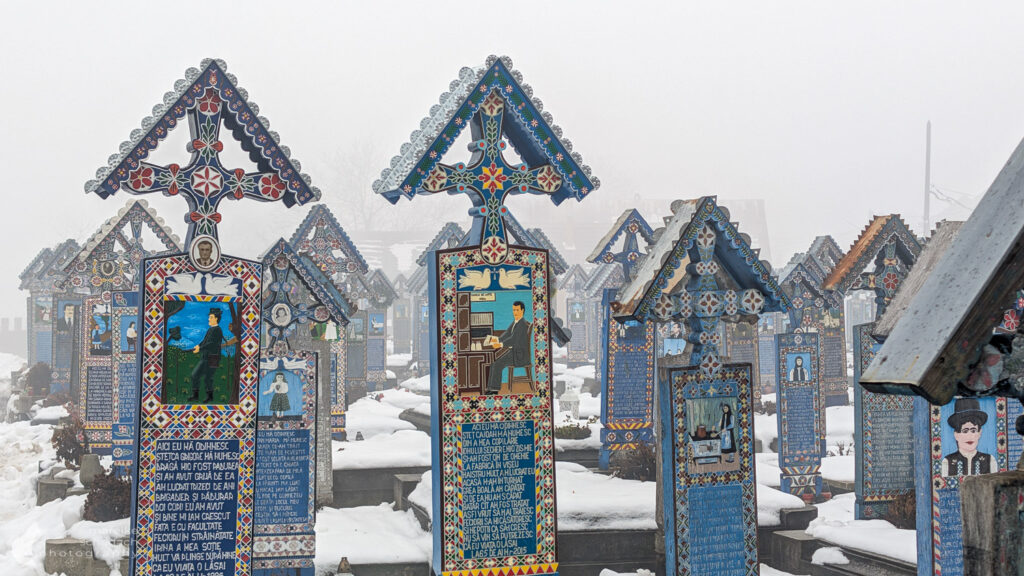
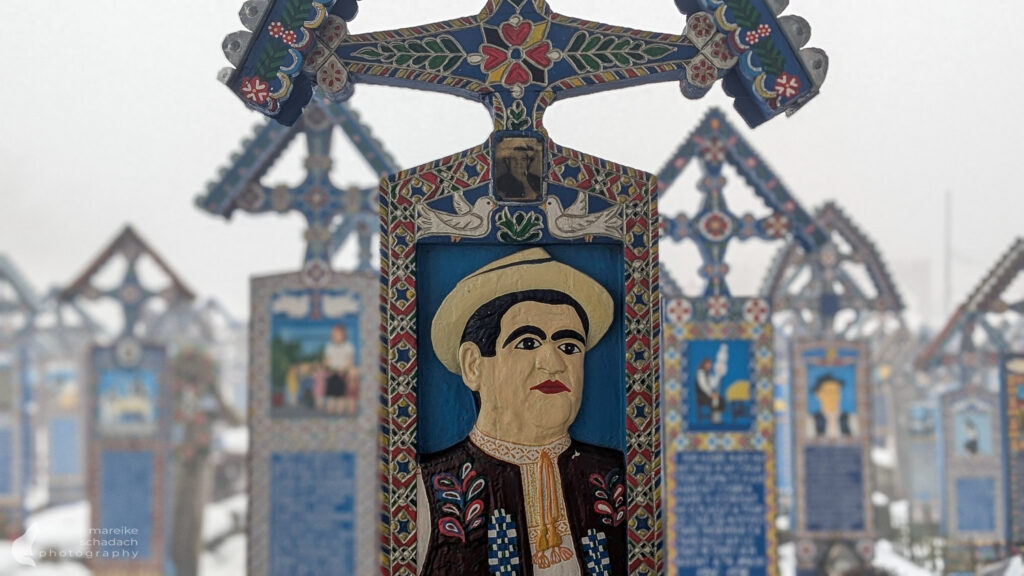
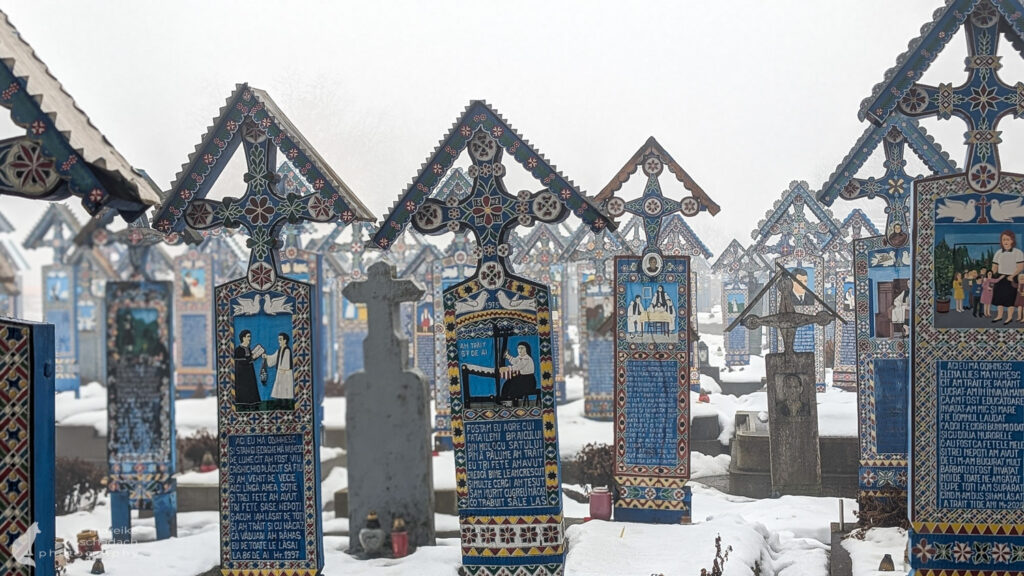
Wood also plays a central role at the famous “Merry Cemetery”—the Cimitirul Vesel—in Săpânța. Instead of somber gravestones, there are blue wooden crosses here. The crosses are made of wood, mostly oak, and hand-carved. At the top, they feature a relief or an image: someone baking bread, a farmer plowing, a man in a hat, a woman spinning, scenes from everyday life, but also scenes such as someone being run over by a car or struck by lightning. Below the image is a saying, a short poem, often with a touch of humor or irony. The background color is a deep blue, “Săpânta Blue,” accented with borders and ornaments in red, yellow, green, and white, all of which are uniquely designed.
I walk among the graves, looking at images of the deceased. I stop in front of a cross. It shows a woman at her loom. My guide translates:
“Here I rest, a weaver,
My husband drank a lot, but I forgave him.
Now I finally have my peace,
And hopefully he does too—somewhere.”
A few steps further:
“Here I rest beneath this cross, Pop Ion,
I lived 50 years with my vice: schnapps.
And when you pass by, don’t laugh too hard —
It was a fine drink, I swear to you!”
These verses reflect the village community—honest and often crude. They show who someone was, not who they should have been.
The Man Who brought Color to Death
Across from the church lies the grave of Stan Ioan Pătraș (1908–1977). It is adorned with the same vibrant colors he once infused into his life’s work. Pătraș was born in Săpânța in 1908, grew up in a simple farming family, and began carving wooden crosses as a young man. At first, they were plain, but in the 1930s, he had the idea of bringing some color to death with blue, red, and yellow. He carved scenes from the lives of the deceased and composed verses. In doing so, he broke with all conventions and laid the foundation for a unique cultural monument. Stan Ioan Pătraș founded the cemetery in the 1930s.
His art began to gain international attention in the 1960s. After Pătraș’s death, his student Dumitu Pop Tincu continued the work. Today, there are around 1,300 crosses here, each a small work of art and a brief biography.
The Merry Cemetery is a national monument and part of Romania’s UNESCO Intangible Cultural Heritage. Around 150,000 people visit it annually—pilgrims, tourists, and art lovers alike. There are also plans for a small museum where old grave crosses, which have been replaced by restored ones, will be displayed.
The tradition lives on. Today, Dumitu Pop Tincu, Pătraș’s student and successor, carries on the work. It takes two to three weeks to make a cross, and it costs around 2,300 euros. That’s a lot of money, considering the average monthly wage in this region is about 780 euros.
Crafts and Domestic Life
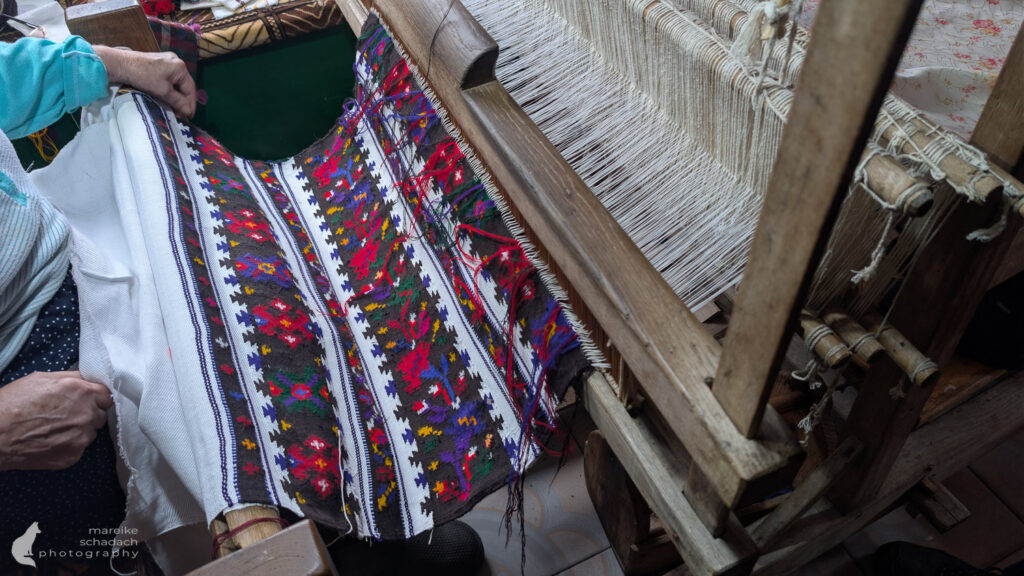
The long winter evenings are devoted to handicrafts. The wood-burning stove warms the living room, and colorful fabrics for ornate traditional costumes are created on the loom. People embroider, spin, and sew. Clothing, rugs, blankets, and tablecloths are made right at home, whether for personal use, as commissioned work, or for sale in the summer.
In Sârbi, a neighboring village of Breb, I see a watermill. Here, raw wool is processed using water power, and laundry is washed in an open-air whirlpool in the stream. In winter, however, the mills stand still, for everything is frozen and waiting for spring.
Traditional Costumes
Traditional clothing is part of one’s identity. Women wear white blouses with delicate embroidery, woolen aprons, and colorful headscarves. Men, on the other hand, wear black hats and vests, and thick sheepskin coats in winter. This clothing is not merely folklore for tourists; it is worn as a matter of course at church festivals and weddings and is carefully stored the rest of the year in a separate room: the dowry room. Since the textiles stored here were of crucial importance for a young woman’s dowry, this room was a source of pride, where handmade blouses, vests, and skirts, among other items, were displayed. The patterns are not random. They tell stories, bear protective symbols, and commemorate the ancestors.
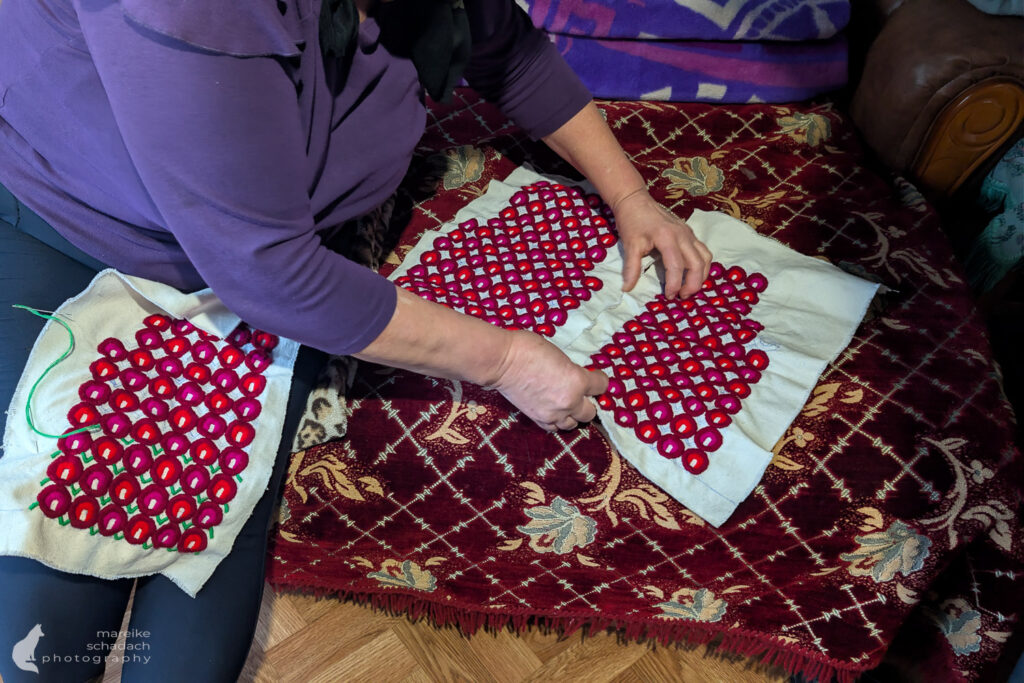
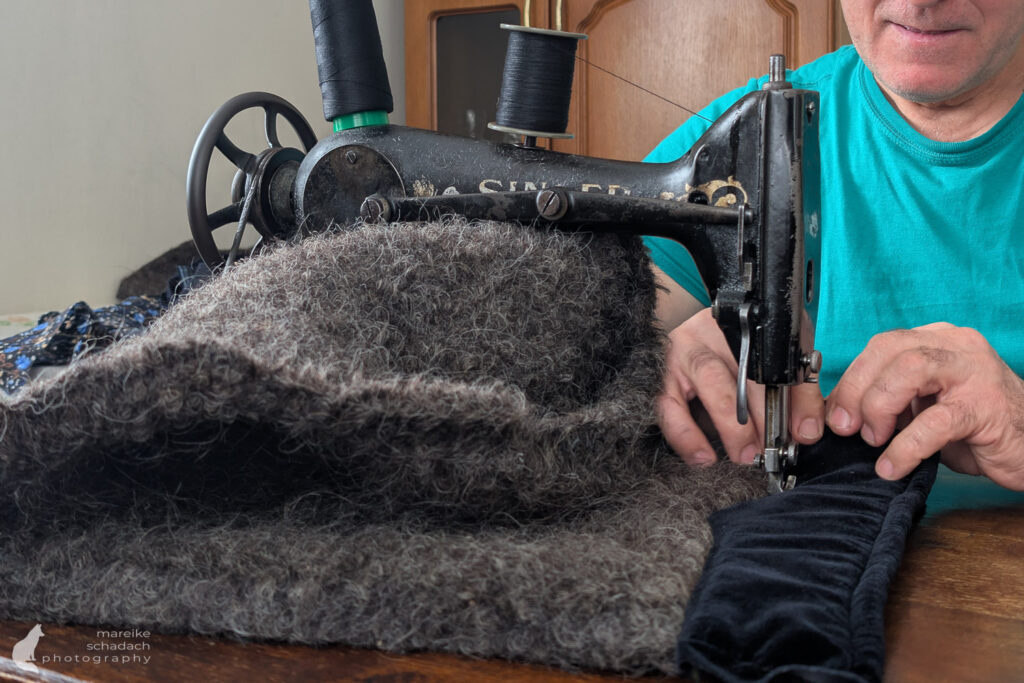
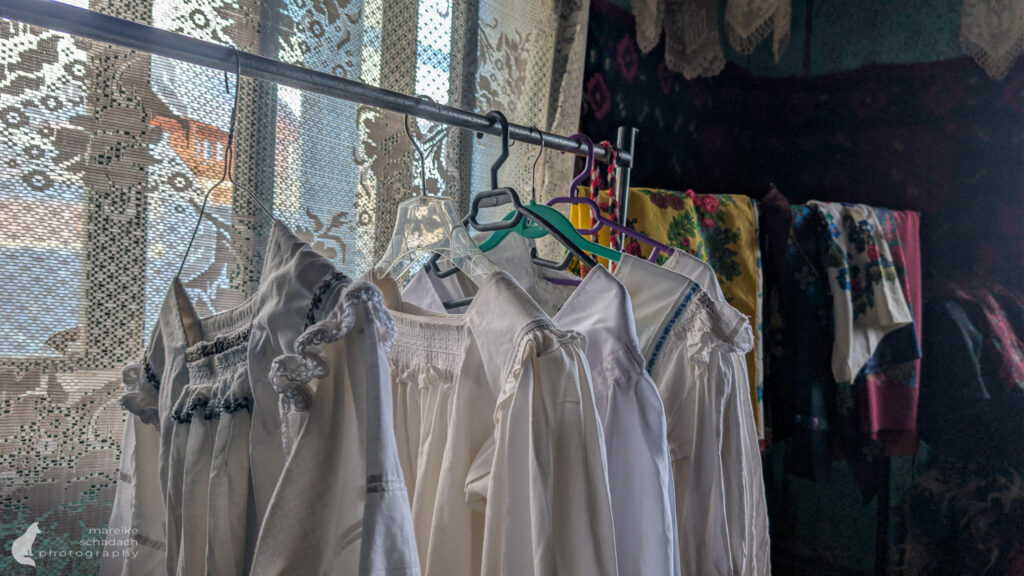
Woodworking
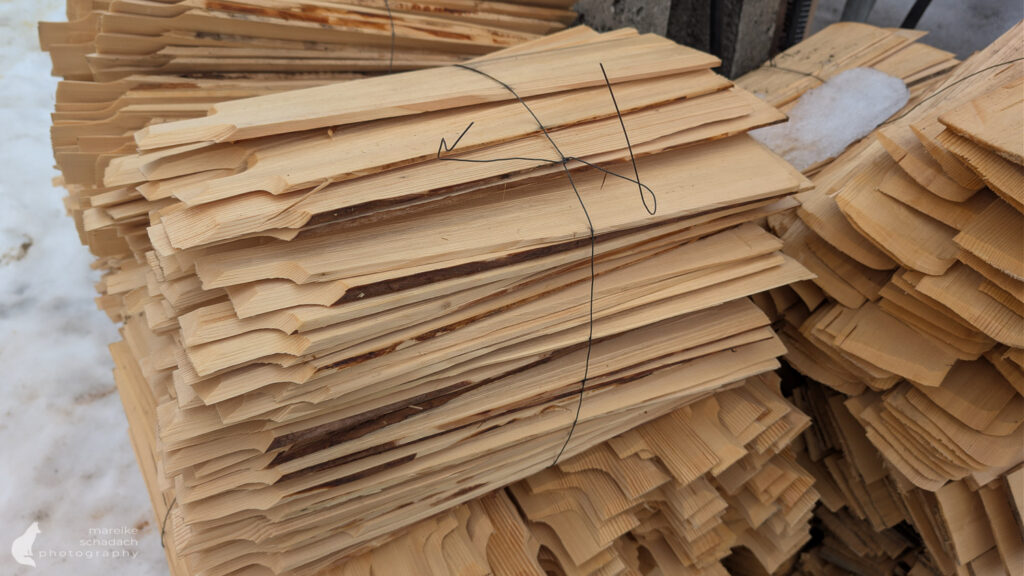
Traditional woodworking in Maramureș is deeply rooted in the region’s everyday culture and is regarded as an expression of artisanal mastery and symbolic imagery. For generations, woodcarvers have used simple tools and time-honored techniques to create artistic functional and decorative objects from oak, spruce, or fir. I see carving horses—wooden benches into which the workpieces are clamped—in almost every yard. The richly decorated farm gates are a particularly well-known example of woodcraft. But furniture, spoons, spinning wheels, and roof shingles are also crafted with great care and often individually decorated. Knowledge of these techniques is mostly passed down within families, ensuring that woodworking remains a vibrant part of the regional identity to this day.
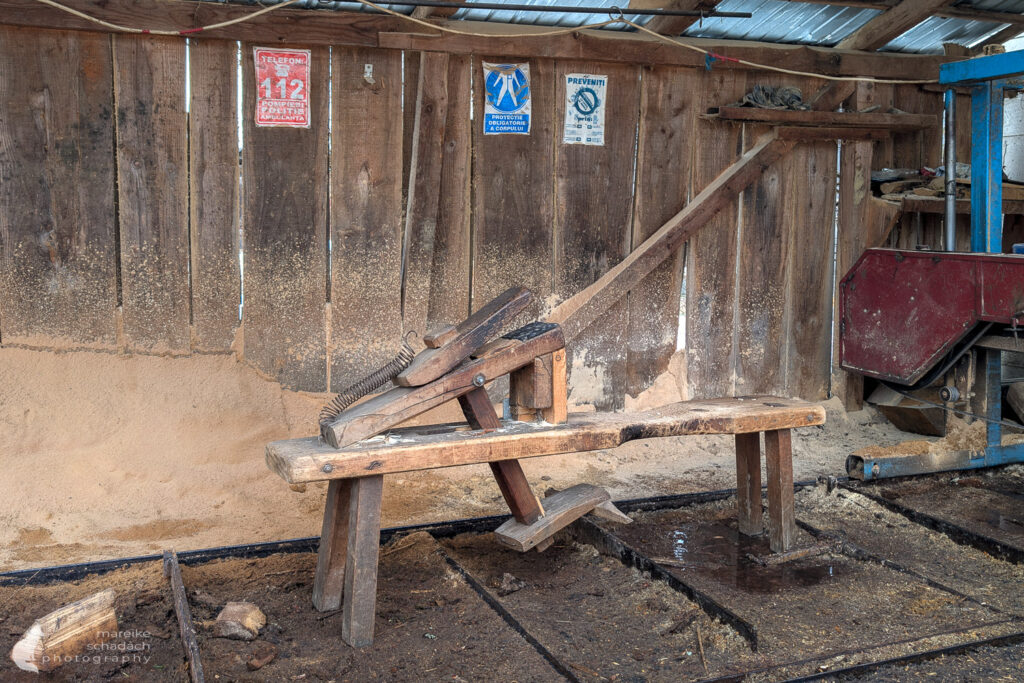
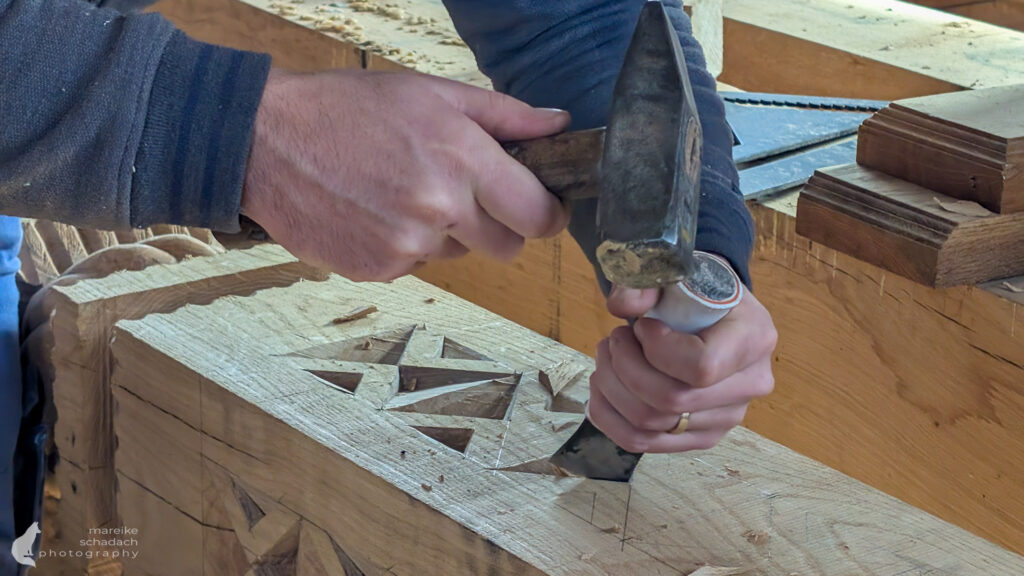
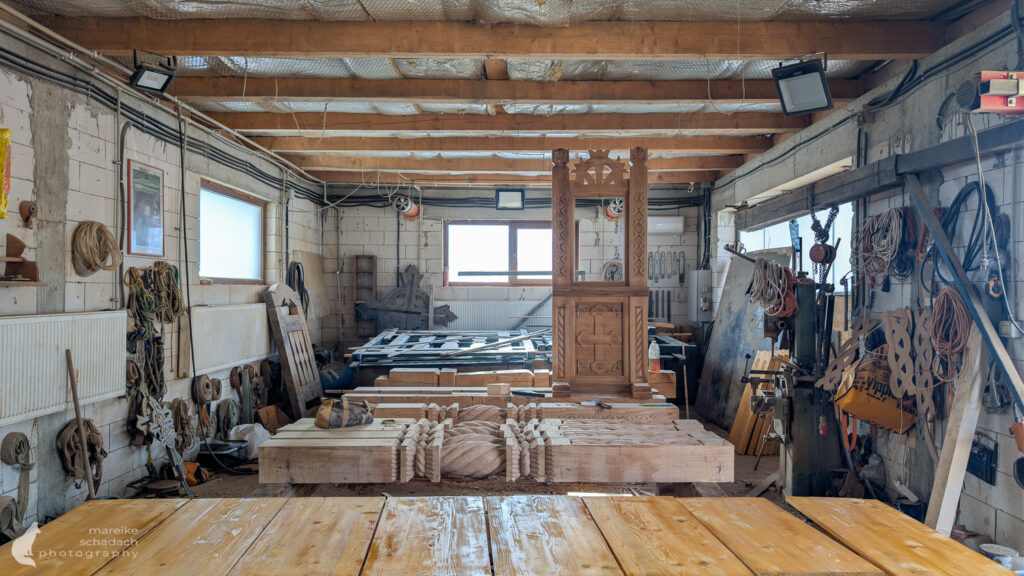
SIDE NOTE: Building Your Own Carving Horse (Advertisement) (Werbung)
’m passionate about working with wood and built my own carving horse in early 2026. It can even be taken apart into individual pieces, making it easy to transport. It’s a fantastic piece of equipment. The build was guided and organized by Christoph Maretzek from the Guide Academy Europe (GAE). . If you’d like to build one yourself, I highly recommend reaching out to him.
Self-Sufficiency
Many families are self-sufficient. In the summer, they pickle vegetables, smoke bacon, and distill fruit into schnapps. Every household has supplies that are carefully preserved. The standard of living may seem modest by Western standards, and incomes are significantly lower than those in Western Europe. Yet self-sufficiency fosters a sense of independence that has long since been lost in cities.
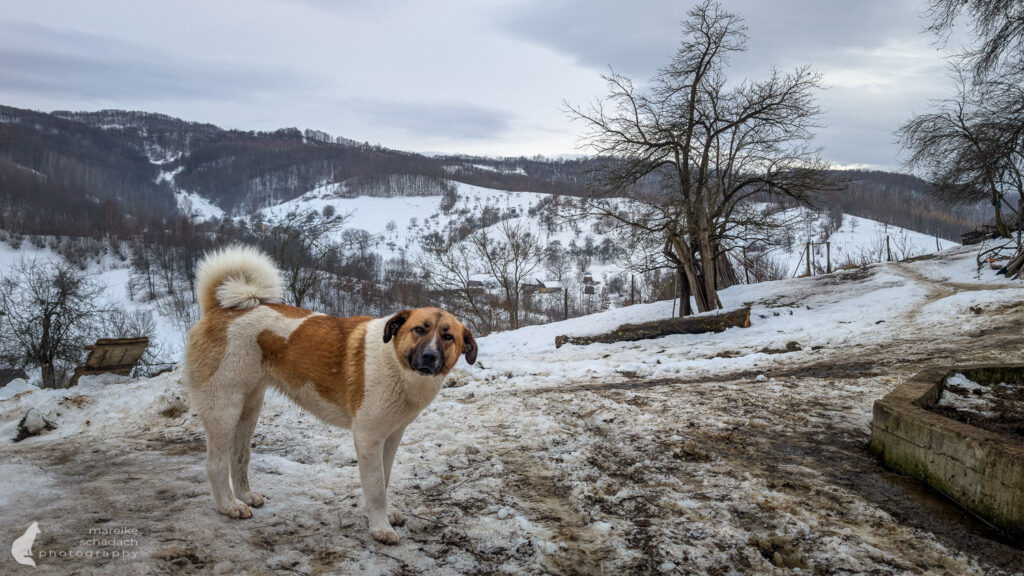
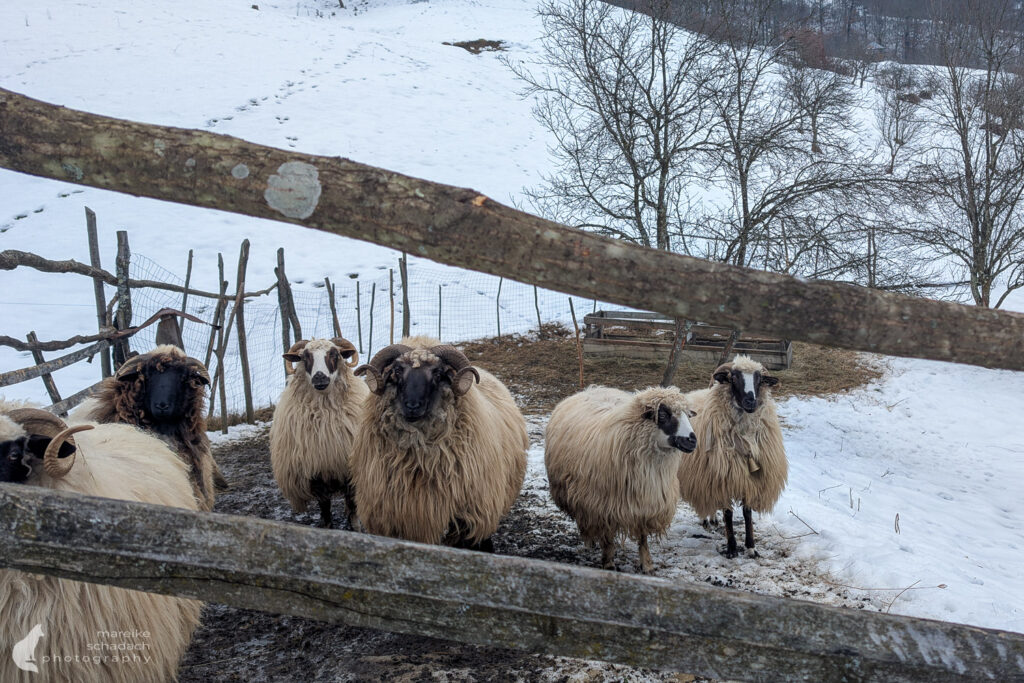
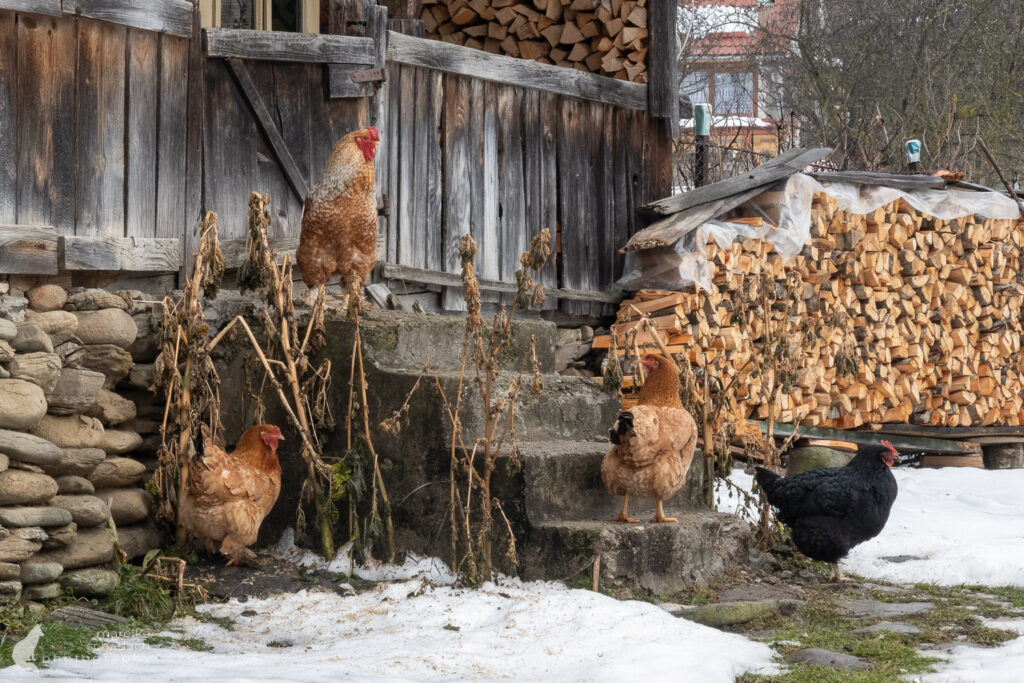
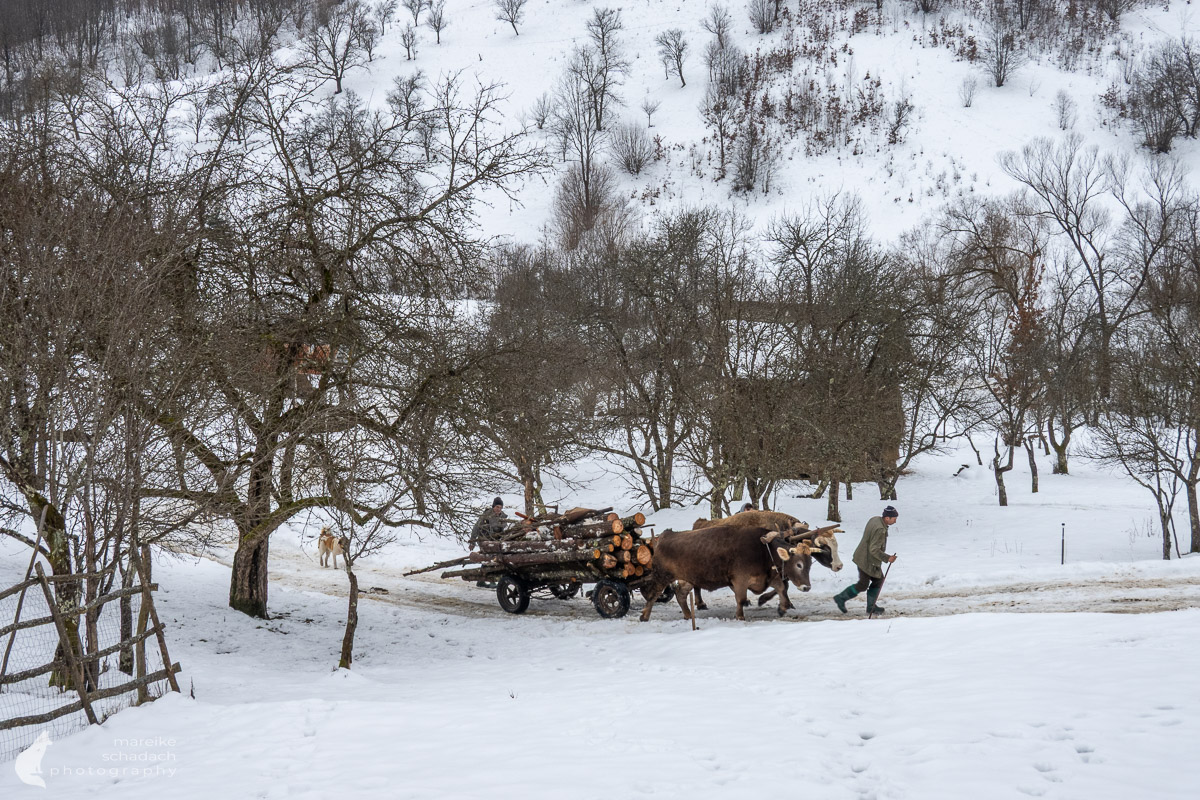
Horse-drawn carts or ox-drawn teams are a common sight on the roads. They bring hay or firewood to the farms. Almost every villager keeps animals: chickens roam freely, goats, cows, and pigs stay in the barns during the winter, and the sheep also remain near the farms during the cold season. They are joined by large, shaggy herding dogs, the Carpatin or Mioritic. They have been bred in the Carpathians for centuries. Their mission is clear: to protect the herds from bears and wolves.
Closing Remarks
Maramures in winter is not a bustling tourist destination. There are no ski slopes, most restaurants are closed, and sometimes you’re the only visitor of the day at a museum. Amid the scent of wood smoke, creaking church beams, and frozen streams, I experienced a region that has not forgotten its roots and embodies heartwarming hospitality. It’s not staged—it’s simply the way it is. Maramures is not a place for those in a hurry, but for visitors willing to immerse themselves in the silence, the crafts, the nature, and the people who live here.
Book Recommendations for Romania
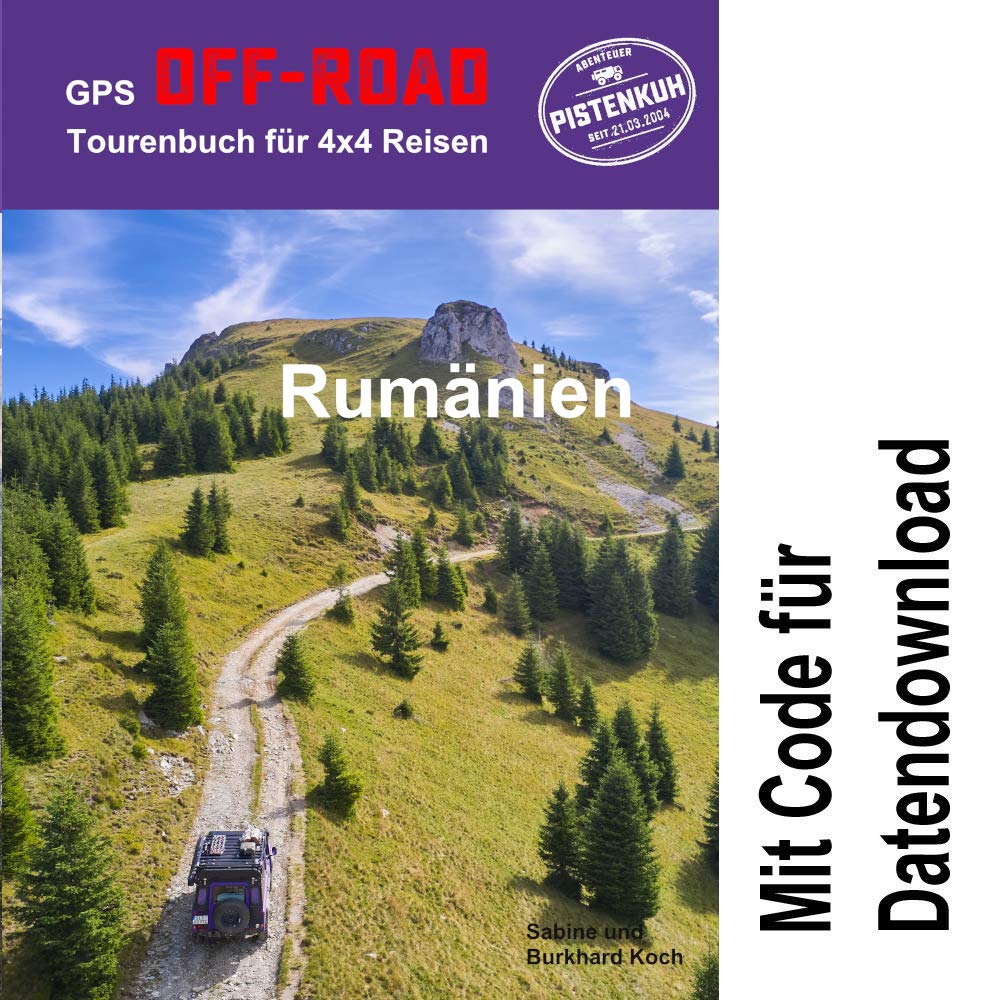
Would you like to learn more about wildlife observation? Then I have three book recommendations for you. You can order the books* from Amazon by clicking on the images. If you buy a book or another article via an affiliate link, I will receive a small commission, and you will help me to continue to fill Wanderlust Motifs with interesting articles. The product will not be more expensive for you.


Want to know when there are new articles on my blog? Then follow me on Facebook, Pinterest or Instagram. I am also very happy if you share my article with your friends.
Recommendations for further Reading
Do you enjoy winter in Maramures? Then you’ll surely be interested in the following two articles: