Anyone who is out and about—whether with a backpack or snowshoes, in the mountains or in the Black Forest—has a responsibility. For themselves, for others, and for what happens if something happens. The idea that “someone will help” is dangerous. The following text on outdoor first aid is aimed at anyone who ventures off the beaten track, at people who need to think and act clearly even when the rain has been pouring down for hours, when radio contact has been lost, and when things suddenly turn serious.
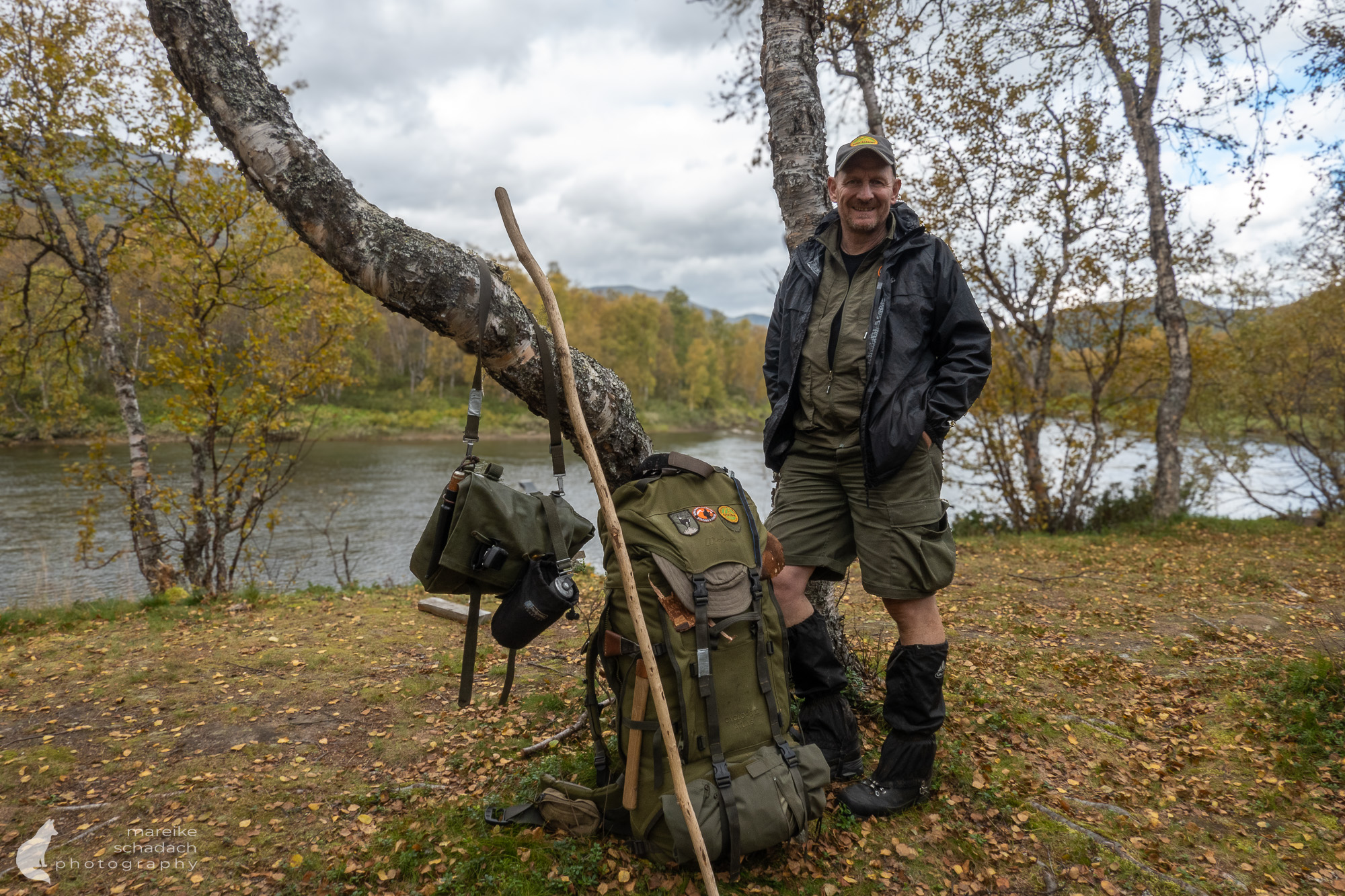
This text, written by Christoph Maretzek, is no ordinary outdoor first aid guide. It is the condensed experience of 45 years in the field – raw, honest, unvarnished. For everyone who goes out there. For everyone who wants to come home. Christoph is the founder of Guide Academy Europe, where I trained as a trekking and wilderness guide. As a long-time mountain infantry instructor, experienced solo and winter trekker, and carpenter, he has witnessed serious accidents and has often been able to help. Last late summer, we were back on tour together in Vindelfjäll, Sweden, and as always, health on tour, wilderness first aid, and prevention were an important part of our preparation. Rightly so, as a near-accident in the mountains in rain and stormy weather impressively demonstrated.
In cooperation with and written by Christoph Maretzek, Guide Academy Europe..
When something happens, you need to know what to do
If you want to go on a tour, whether by bike, ski, or on foot, with or without a guide, in summer or winter, in the mountains, on the water, or in the forest, there is always a lot to consider. But one question always arises, for everyone and on all occasions:
What is the most important Thing Outdoors?
The answer is quite clear: How can I ensure that I can help myself and others immediately and effectively at any time, even in serious situations? Especially when I have to wait for help to arrive... sometimes for days.
Between Theory and Reality: Outdoor First Aid Courses
Real outdoor first aid begins when you have to wait hours or days for help—and when you have to be able to act on your own.
This year's accident figures give pause for thought. Those who offer training and workshops in particular are called upon to take these figures into account and respond to them. This is because many so-called outdoor first aid courses do not actually reflect outdoor situations (further) off the beaten track, but rather first aid relatively close to paths and the rescue chain. It therefore makes sense to adapt to the current realities each year and to train and practice for precisely those areas where no one can help after an hour.
The trekking guide course in mid-July 2025 and the wilderness first aid course in Baden-Baden in May 2025, which was held for Arctic travelers, among others, once again went well and without any real emergencies. We practiced some new situations and realigned the course with developments in nature and society. This is because changing natural environments produces new dangers.
Reality instead of wishful Thinking
In reality, no YouTube video helps. No survival show. No app. What counts is what you have in your head and in your backpack—and what you can recall under stress.
To start with, a simple note: a few statements (based on many years of experience) may upset or annoy sensitive souls or those who believe that the fire department, forest rangers, and mountain rescue services are responsible for their well-being on tour (rather than themselves, first and foremost). Therefore, read on at your own risk...😊.
The lines are simply intended to make almost half a century of knowledge available to everyone outside of guide training courses and workshops. Ultimately, it is up to each individual to decide what to make of it. And whether to take advantage of offers or not. And since the writer, in his life as a long-time mountain infantry trainer/platoon leader and solo trekker, winter hiker in northern Sweden, Alaska paddler, and carpenter, has almost bitten the dust a few times, taken enough hits that could have been avoided, and experienced too many deaths along the way, there are now lines instead of bandages.
The fact is: when you go out there, you are on your own! Those who take others with them are responsible first and foremost for them and for themselves. 45 years outdoors have taught the writer that very often (far too often) there is nothing others can do for me if I cannot take care of myself during the first hour after an accident (the so-called golden hour) when I am seriously injured or ill. Then the helpers may arrive too late. It's as simple as that.
Take Responsibility for yourself
Mountain rescue is the icing on the cake...not the cake itself! Everyone either has that in their backpack or left it at home. Forests, water, and mountains are dangerous in themselves and often pose an obstacle to quick and safe access to the scene of an accident. Not thinking about this BEFORE the tour, not preparing, not practicing intensively again, and not equipping yourself with the appropriate material is like flying with unsecured wings. Only fools or people who are irresponsible towards themselves do that.
Or to put it more bluntly:
If you're not willing to prepare yourself properly, to learn and practice, to take care of yourself continuously, constantly, and comprehensively every second... what are you doing out there, assuming that someone will come to your rescue if you mess up? Everyone can answer that question for themselves.
How can you recognize experienced, good, and prudent trekkers, solo skiers, water sports enthusiasts, and mountaineers/mountain hikers? Quite simply: by the fact that they have grown old.
Attention and Respect for Nature are also First Aid
In addition to skill, knowledge, equipment, determination, and fitness, caution, foresight, and prudence are also important..
Many accidents are simply avoidable if you concentrate on what you are doing, listen to your gut feeling, and keep your eyes and ears open. This is normal for old soldiers, because it can ensure survival in difficult situations.
No one has to wait until disaster strikes; you can take precautions beforehand. So what's wrong with adopting the basic attitude of “I'm actively taking care” as a civilian and taking preventive measures for yourself? It's normal for police and firefighters, forest rangers, construction workers, and machine operators, because they are constantly exposed to danger. Unfortunately, very few people realize that when they go out there, they could end up lying there. They usually put on their backpacks without any training, have little experience, see YouTube as an educational channel, and view all the superheroes on ridiculous survival shows as reality. Perhaps these simple, honest lines will inspire you to do more (e.g., take a realistic course, get some training for yourself).
In addition, there is respect for the forces of nature, the recognition that you are responsible for yourself first and foremost, and respect for the constant danger outside: because there are no mountains without danger, no forests without danger, and no canoeing waters without danger. If you don't take care out there, the constant danger can quickly turn into an acute (and often avoidable!) threat. However, with a little luck, planning, skill, equipment, etc., you already have a good chance of success. This includes noting/making a note of places with cell phone reception along the way.
However, plans often have to be adapted quickly and frequently – failing to do so is a common cause of problems on various tours due to time pressure on vacation, overly tight planning windows without buffer days, and a simple lack of willingness to reposition oneself. In the end, nature always makes the rules. Your own condition and abilities must match what you have in mind, what you can do, and what you should avoid. Then you can come back next year and start the tour again. Ultimately, it's that simple. Because if just one thing is missing, if you hesitate too long, if you didn't take care of it beforehand, then it's often on the edge or already over the edge. And it's always just that one second.

Guide Training at the Guide Academy Europe
A Look behind the Scenes
Anyone who wants to lead others off the beaten track and away from rescue facilities must be able to help. From a standing position, still looking at the injured person, who is already silent or writhing on the ground. In all modules, training is proportionate and always surprising, even at breakfast if necessary. Because accidents don't work in shifts, there are no punch cards, and they don't announce themselves. From one moment to the next, if something goes wrong with the stove, not only can a face be changed forever, but simply the life of the whole family behind it. Rare, but always the case. The spurting bleeding because a tool has once again hit the “right” spot, or the bright shin bone that suddenly sticks out. No one has a guarantee, and therefore everyone must be able to do what is needed.
A wonderful training weekend with this year's trekking guide class in July 2025 showed that even simple exercises with unexpected situations can quickly cause you to falter. You're not a paramedic or a doctor. Damn, what was that about snake bites again? Damn it, what were the signs of shock again, and how do I distinguish the dangers of heat exhaustion from sunstroke? And so much more that suddenly becomes an issue. Often without any warning.
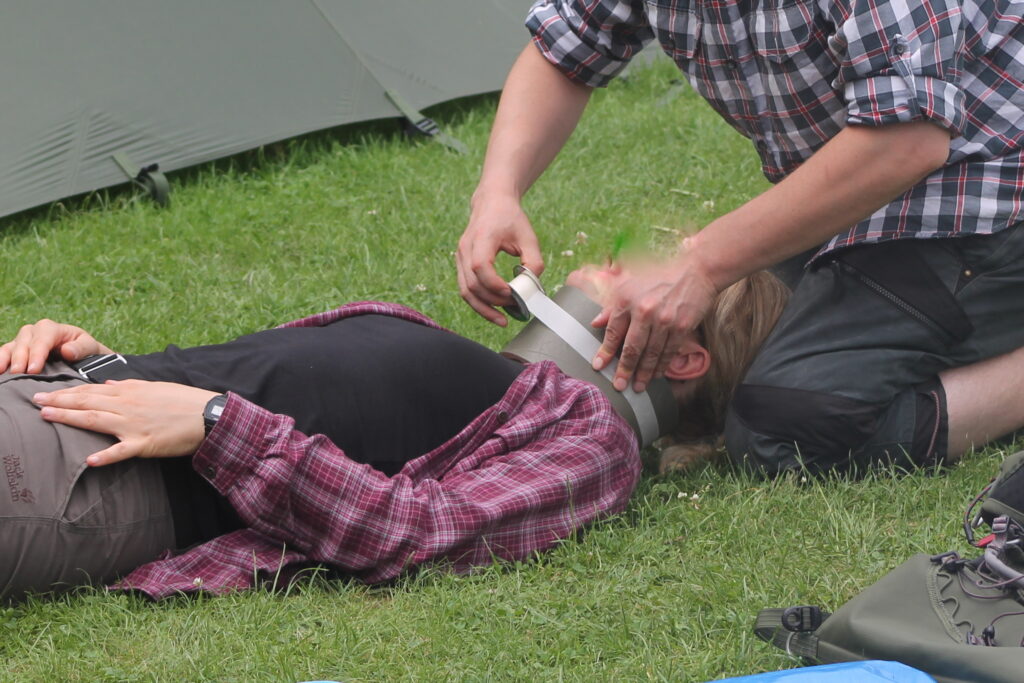
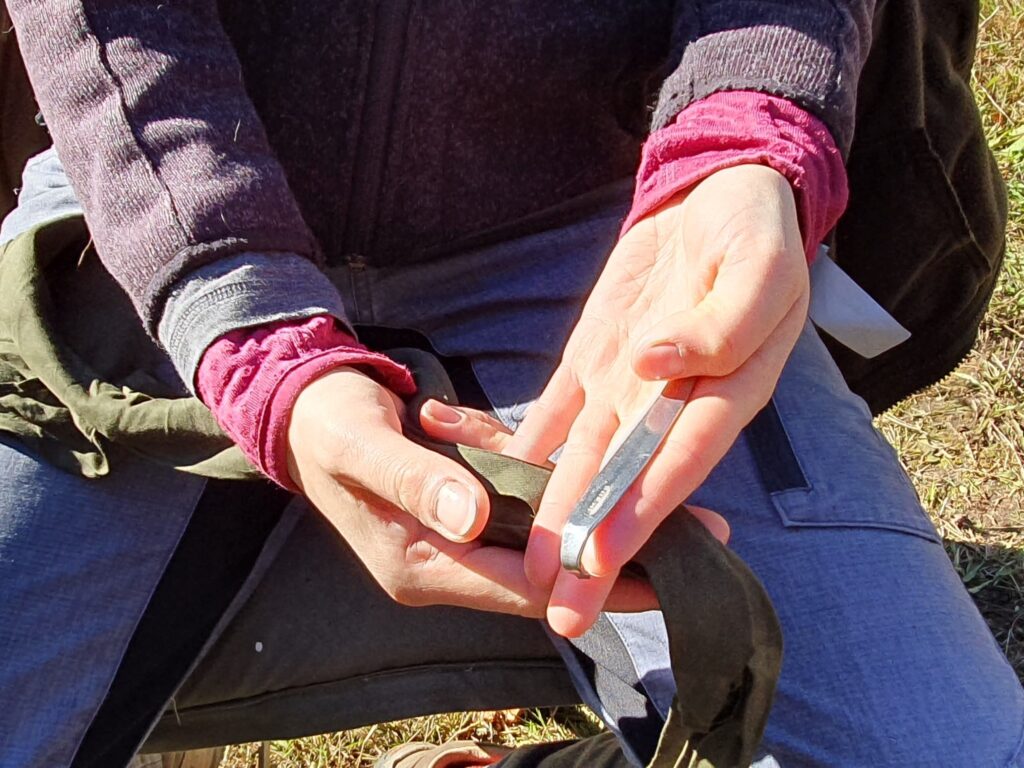
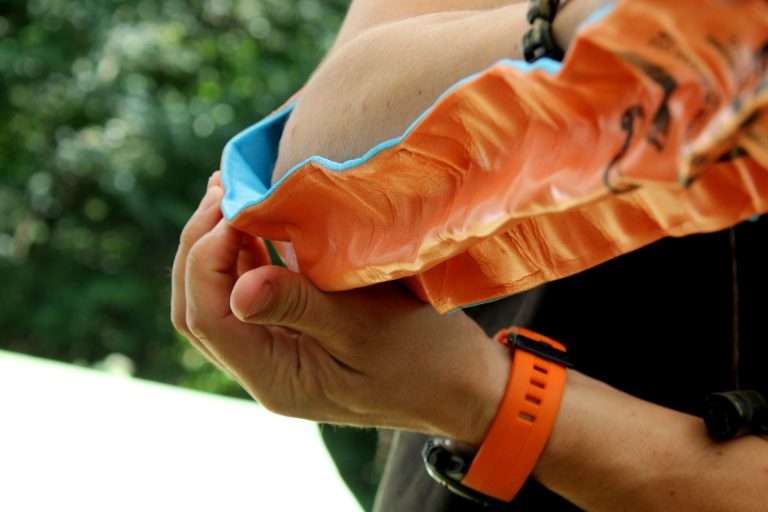
Practice makes you a better Rescuer
The weekend was packed with theory, focusing on details that come from a lifetime of experience out in the field and can't be found in any manual. Just like soldiers far away in the field, trekkers can suddenly find themselves in a nearly hopeless situation and have to react. As an experienced solo trekker, I've thought a few times: “That's it, I'm done.”
Sometimes with luck, sometimes with even more luck, and sometimes with unconditional quick reactions, things have gone well so far. The 12 deaths and serious injuries I have witnessed while on duty and on tours in the field have made me think. Twice, I was able to help in time. Things can often get rough out there, and sometimes you have to improvise. However, the basic rules of hygiene etc., apply there just as they do in the valley at the doctor's. But you don't always have that luxury. You don't have the professional equipment. Some of this can be compensated for with practice. But not everything. That makes the exercises all the more important!
Exercises – we started with bandaging. That sounds trivial, but the exercises (also blindfolded, behind your back, in the dark, with your weaker hand) showed that this important knowledge about proper wound care to prevent infections leading to sepsis or bleeding to death is anything but trivial! Bleeding to death is still one of the leading causes of death after serious accidents. We can do something about this, as well as the 10,000 fatal cases of sepsis resulting from an infected, possibly very small wound. But we need to know how and practice again and again. Just like paramedics. Because we are our own paramedics.
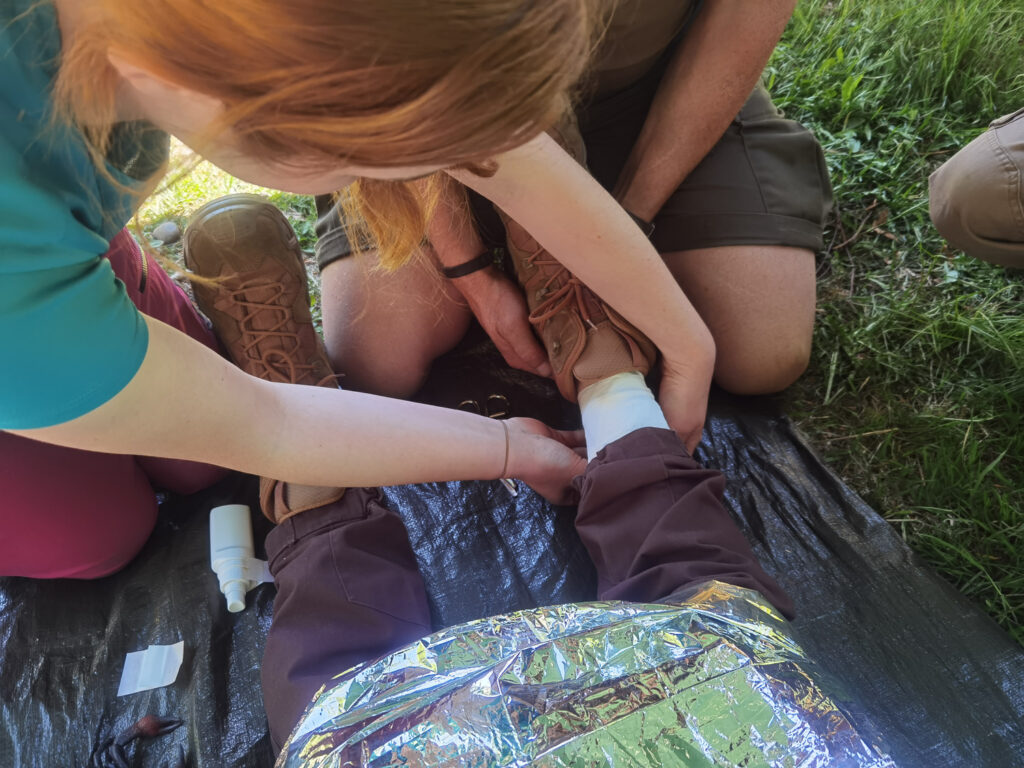
But under the following hypothetical scenario, it's a completely different story: we are with a group or alone, in cold, wet, windy weather, without a phone connection, somewhere in the Swedish mountains, at least six hours' walk from the nearest hut. Although we are on a well-travelled long-distance hiking trail, the conditions make it feel like we are on the far side of the moon! This is a completely normal situation on any hike there. No one can come to your aid quickly. It's that simple. Heavy bleeding, an abscessed tooth, an open fracture, even an infection/sepsis (unfortunately not uncommon) from a simple, “trivial” mosquito bite or a dog bite, because a hiker with a dog does not follow the leash rules. There are so many things that can happen. And as surprising as it may sound, well over 95% of all outdoor activities go well, but if an accident does occur, it can be serious, even fatal.
Starting in 2026, first aid training at Guide Academy Europe (GAE) will become more compact and remain in very small groups. The core topics will be: EH Outdoor Solo, EH Outdoor Trekking/Mountain, EH Outdoor Wilderness, EH Outdoor Compact. Special courses may also be available on request. The courses are currently in the final stages of development and description and will be ready by the beginning of the year.
An Example from the Kungsleden Long-Distance Trail
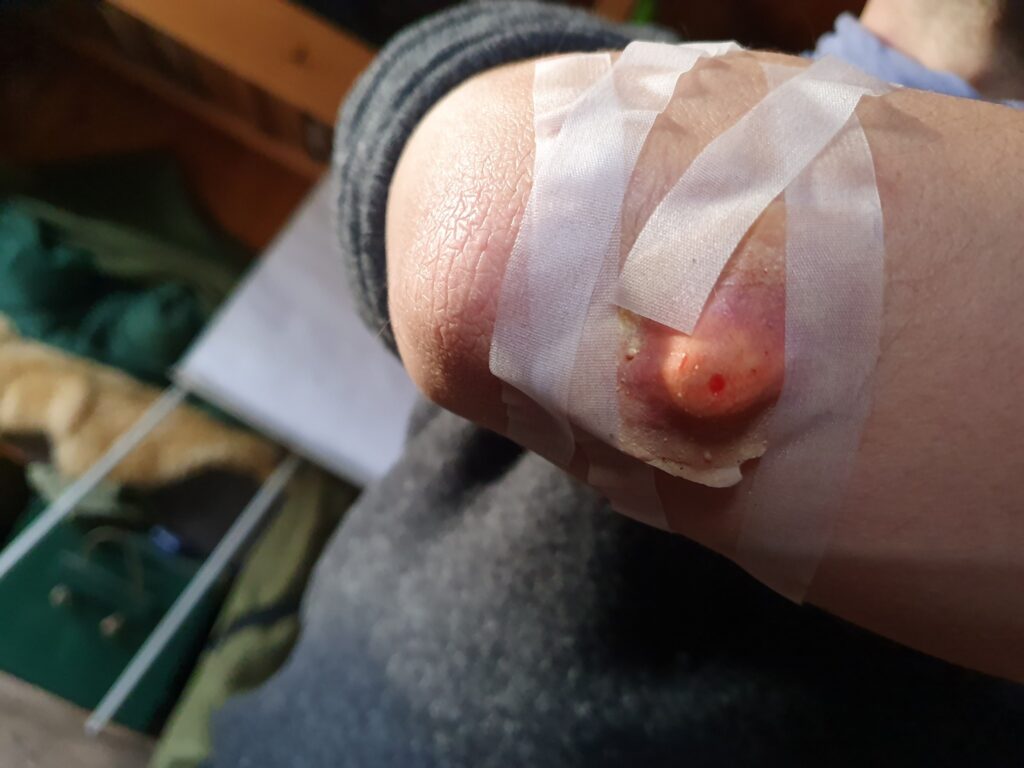
How much worse it was when I think of the Dutchman from last year who, with untreated, festering, open, and bleeding blisters, wanted to take just one day off to recover, as he said. No possibility of self-sufficiency due to lack of equipment (too heavy!!) and sitting in a small village at the end of the road in front of the Swedish fells. The next stages south would have taken him through deserted areas for days, with only chance encounters with other hikers, and very long stages between huts. Stoic, somehow disinterested, and apparently unaware of what an infection could quickly do to him – kill him. He had never been on such a hike before and had been inspired by a well-known “survival show” from Germany. Without further ado.
There was nothing left to do but intervene and talk him out of it. He finally let himself be persuaded and helped, and took the bus to the nearest hospital. I received a text message from him in late fall, thanking me. The doctor, but even more so the old nurse who examined him first, also set him straight. Intervening may have saved his life.
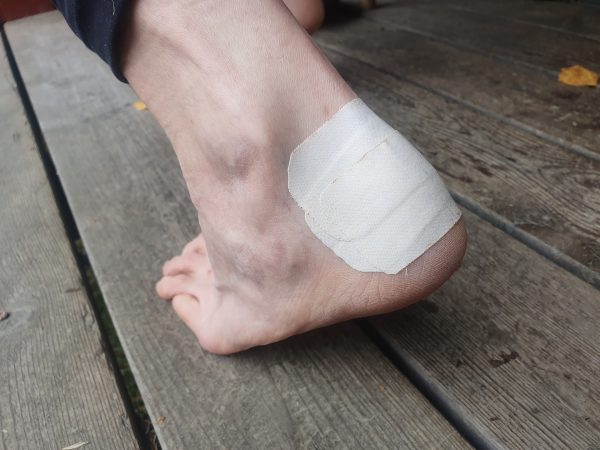

More on the topic of providing first aid for blisters can be found on the Guide Academy Europe website.
A Christian duty and a matter of honor. But unfortunately not for everyone. So many people are afraid to help, fearing they will be sued. Nonsense and bullshit. It's that simple. Many believe that a phone call is enough – far from it. You have to do what is reasonable. In addition, there is the applicable state law. Who cares about the local rules before departure? In Sweden, according to the official figures for 2024, first aid is provided in over 65% of cases! In our country, the figure is far below that; sad, shameful, and disgusting. Because everyone needs help at some point.
What matters on Tour
In northern Sweden, Scotland, Iceland, etc., it's not like in the Alps, where, on the one hand, the mountain rescue service makes exciting films about themselves and their work, and on the other hand, people are increasingly setting off and, like this year, dropping like flies from the mountains. Help is not always available, or quick, or even available at all. Anyone who is unfamiliar with the country's rescue services is flying completely blind. The figures are alarming. So are the figures for drownings in this country. It's the same in all areas – and there's no point in beating around the bush: no (sufficient) knowledge, too little ability to cope with stress, overconfidence, showing off, lack of experience, no (sufficient) knowledge of the weather, unprepared, poorly trained, incorrect or missing basic equipment, inability to use it under stress, no maps, no adequate first aid kit, no adequate first aid knowledge. Above all, blind trust in apps and “I have a phone.” As if it could bandage the deep leg wound after a failed axe blow, fix the dislocated shoulder, cleanly treat the open fracture, or solve one of the frequent internal medical problems.

Note: If you only have a phone, it's your own fault if something goes wrong. It's always worth taking care of things in advance: yourself, your equipment, and any conceivable emergencies. An unpleasant but unfortunately all too often (avoidable) true statement. Nobody likes to hear that. But that's the way it is. And yet help is provided. And hopefully, then it will be clear to everyone how expensive such a rescue can be. It's always worth taking care of things BEFOREHAND.
As sorry as everyone is for the dead and maimed...the mountain rescuers, who volunteer their time, struggle and all too often have to abandon their efforts because it is a fundamental principle not to put themselves at undue risk during a rescue operation. A cell phone full of pictures but with no battery, and a battery-draining “orientation app” will then finish off the cold cell phone battery in a matter of seconds, taking away the accident victim's last chance. Then, unfortunately, they will bleed to death, freeze to death, or die of shock after the fall. Unfortunately, this happens time and time again.
A well-equipped first aid kit (not just two old bandages and a plaster!), training, practice, and, if necessary, a refresher course at home before the tour could have tipped the scales in the event of an accident. The accident victim would have gained valuable time and could have easily extended his own “golden hour,” staying alive and avoiding further damage. But instead, mountain rescuers too often arrive at the scene and find, if the injured person has remained where they were able to communicate their location (if they were able to orient themselves), only a miserable corpse. Someone who knew that it would be the end if they were unlucky. And who may only be found by chance months, sometimes years later. Does it really have to be this way? No. Quite simply.

Review of a Training Weekend
Since such a weekend is short, we practiced some basic elements here; the mountain/cold-specific topics will then be taught and practiced in the fall during the mountain module. We already covered the basics in the 10-day spring course of the 2025 compact course (with three of four possible participants) and then kept the training going over the months with accident reports from the internet, which we worked through by asking questions.
Knowledge, Skills, Decision-making – an Overview of the Training Topics
Early situation recognition is often neglected. Far too often, the frightened helper rushes to the injured person too quickly without pausing for a moment; therefore, take a deep breath and look around briefly. Anyone who approaches an accident in this way can take a close look as they approach and, if necessary, gain valuable time for the injured person:
- Do I see a large pool of blood?
- Is a bone sticking out?
- Is a limb noticeably twisted?
- Are the parties involved in the accident (animals, weather, trees, tools, people, equipment, cars, etc.) clearly visible to everyone?
- How is the person behaving?
- Are helpers already at work?
- What dangers do I need to keep an eye on?
- Am I putting myself at risk?
- What details are apparent at first glance?
- What is my immediate impression of the situation?
Assessing the situation is my responsibility for my own safety. I may not even be able to help the injured person until I have ensured that it is safe for all helpers to approach, or until I have guided my group to safety. So don't rush in blindly, and don't let others rush in blindly either. It doesn't help if someone else needs to be treated at the same time... And as bad as it is, I may have to accept that I can't get the last five meters to the injured person and can only talk to them while they whimper silently in front of my eyes, scream in real pain, continue to put themselves in danger, or simply bleed to death. Or I can only throw first aid supplies to them. Nasty, but a possible reality.
The following always applies: sufficient self-protection against (too) quick rescue attempts!

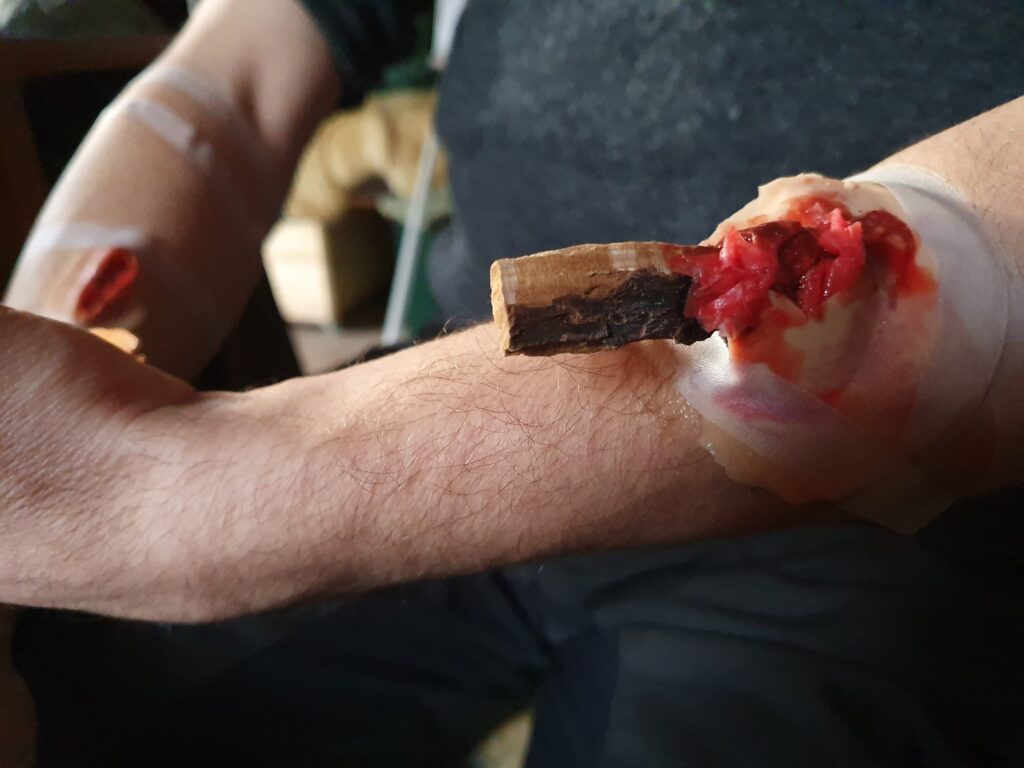
Exercises that make a Difference
Other topics we cover in the training course include:
- Principles and options for actively preventing accidents. Without prevention and care, I expose myself to danger.
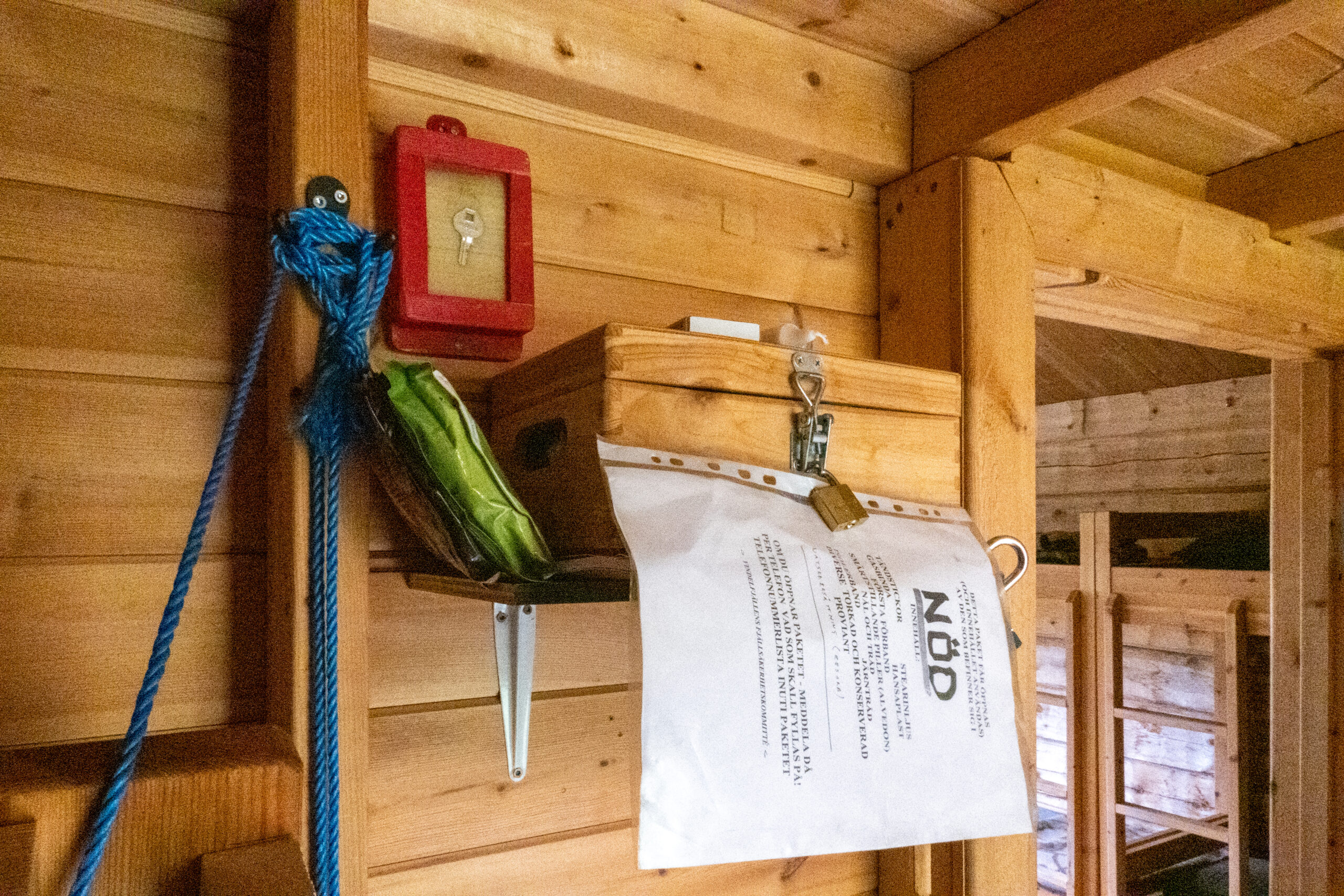
- The tour first aid kit – without it, you are completely exposed.
- The little booklet “First Aid in the Mountains” by experienced expedition doctor Walter Treibel, with 50 years of experience, is worth its weight in gold!
- Problems with treating multiple people – not everyone may make it.
- Problems with multiple injuries – “Treat first what kills first.”
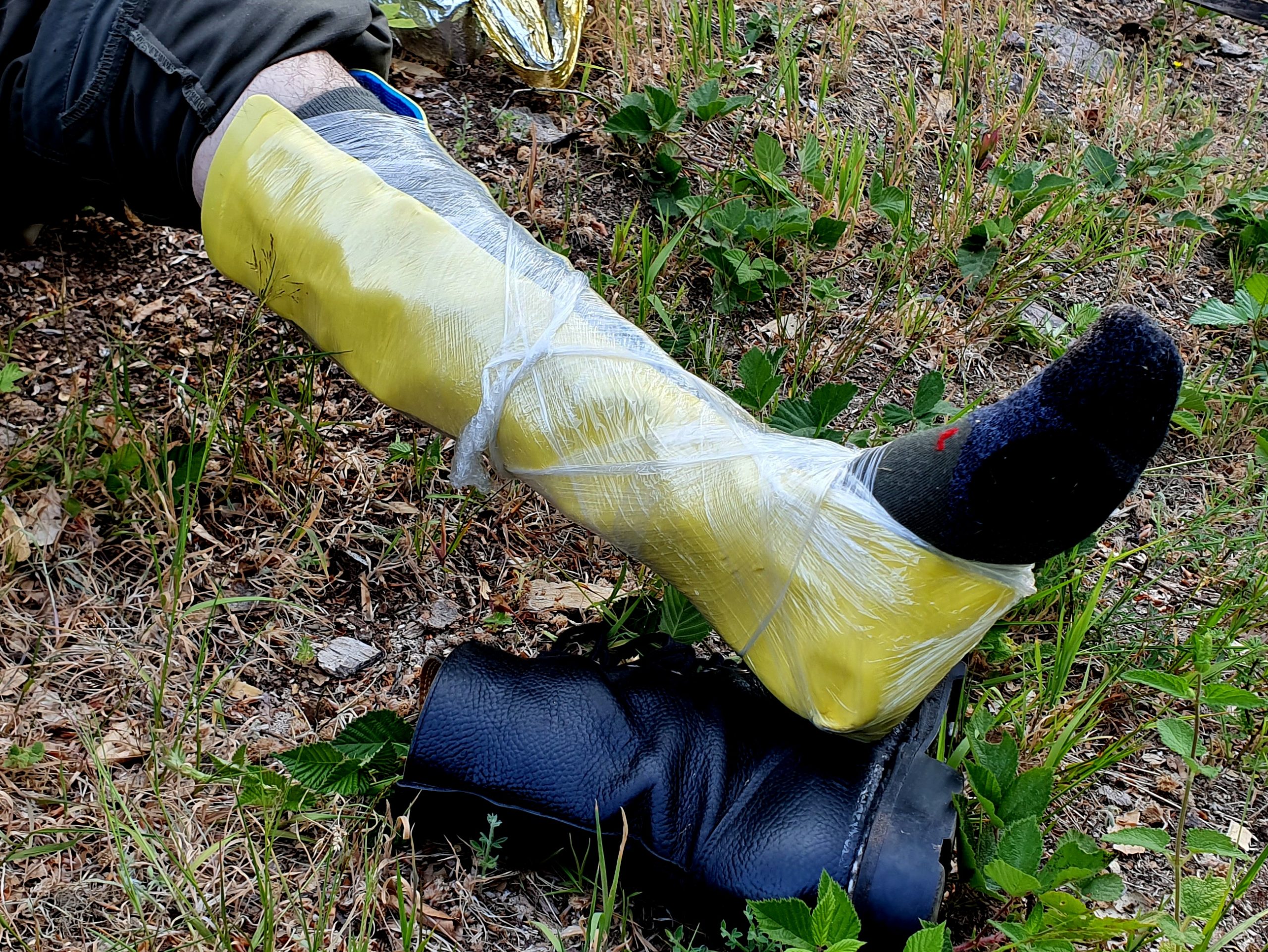
- Splinting and immobilization with SAM splints or improvised splints – there's always something you can do!
- Principles of safe wound care. Avoiding sepsis is one of the most important issues outdoors. One of the participants from the weekend had just narrowly survived sepsis! Because sepsis can kill in a short time without quick help.
- Wound care over several days. Anyone who still has to walk or wait for help must also take proper care of any wounds.
- Treatment of objects stuck in the body – principles and special considerations far away from trails and aid stations.
- Lifting and picking up with several people.
- Working as a team – untrained and inexperienced helpers mean well. But someone has to be in charge and, if necessary, take the lead on their own initiative.
- Exercises in the dark. At night or in poor visibility, outside and exposed to the weather, it is even more difficult.
- Dealing with animal bites – climate change means you have to think twice before stepping into or reaching into any bush.
- Hypothermia – if left untreated, it kills.
- Keeping warm – injured people need their warmth.
- Get them out of the wind and out of the wet – both can be real killers.
- Binding and compression – unlike in road traffic, it is often necessary to resort to extreme measures when far off the beaten track. Because blood that is lost is gone forever. Losing more than a liter can be life-threatening – at the latest.
- Shock treatment – worsening shock can be fatal.
- The triangular bandage – an old friend and faithful helper for hikers.
- Scalding and burns – this is often the worst-case scenario.
- Muscular injuries – a society that has become comfortable or simply untrained is quite susceptible to this. This is especially true as the age of mountain hikers etc. continues to rise.
- Dental problems – the Romans said: Toothache is the little brother of death. Having to pull your own tooth is no fun (personal experience in 2009).
- Dealing with stress and worries – if you want to help, you will be stressed if you are not trained.
- Leading the group. It's always about language, appearance, and approach.
- Dealing with onlookers – without ending up in court afterwards.
- EH Solo – Help yourself, then God will help you.
- Limits of backpack capacity – Where do our possibilities end?
- Alerting – Providing important information fluently and effectively.
- Principles of decision-making – Which parameters influence me?
- Care – What can I do, what does the accident victim need?
Lesson 1: Story from the Forest Cabin
Exciting...and straight out of real life:
It's July 22, 2025, 10:25 a.m., and I'm sitting in a small cabin on a stormy, rainy day, writing instead of doing my work for the forestry office (Cleaning up the forest in this weather, alone in a remote area with no cell service???? No way!). The same applies to me: I have to be careful, because no one is coming by today, and there is no phone! Depending on the route, the way to the village is 5-7 km of forest trails. The forest restaurant above is closed today. And then, while I'm concentrating on my writing topic, the following happens to me in real life:
Next to the chair, shoes are scattered wildly across the room, and fresh vegetable soup is simmering on the spirit stove. I stand up, turn to the right, don't look down as I usually do, stumble over the shoes, stretch out, and just manage to catch myself. My arms brush past the stove with the boiling broth and hit the shelf. Five centimeters further to the right, and I would have scalded my arm and everything below my waist! Boiling hot! Jackpot in the idiot lottery! It couldn't be worse out here on my own. Because with a scalded arm (guaranteed third degree), I can't drive a car myself anymore. And why? Just one second of inattention, not clearing stuff out of the way, and breaking all the rules that I mercilessly drill into the guide trainees until they become habit. Damn! But that's only human.
Therefore: caution, foresight, prudence... even when staying in a hut! Tripping hazards may be small. Shoes left lying around in the room mean: it's your own fault.
Always take your well-stocked, refreshed, and correctly filled first aid kit with you on tour! No matter how often it has gone well in the past. One day, you will need it unexpectedly, often from one second to the next. For yourself or someone else. All it takes is one step to stumble, one fainting spell, one deep cut, one small inflammation. One blown-out stove, one fallen branch, one dog or mouse bite, etc.

Lesson learned 2: A Story from the Field
Things get tight in the next side valley, where radio waves cannot propagate due to the topography, as no masts were allowed to be built in the extensive forest area or because loud public opposition claimed that the “ugly masts on the surrounding hills would have spoiled the beautiful landscape.” After a stupid fall while jogging on a summer evening, you could end up lying there with broken bones. There is no one around, because apart from the careless runner, no one is outside with the approaching thunderstorm! The unfamiliar screamer's cries quickly turn into pitiful whimpers, 6 km away from the car, in the middle of a forest road on Sunday evening. No forestry office car, no cyclist, no hunter – they have all been smart and are sitting by the warm stove at home.
The accident victim is lying there, wearing only his thin running shorts and an even thinner jacket. A running vest with a piece of chewing gum and a small bottle of water, an almost empty cell phone with no reception, so no emergency call. All this on a steep slope, surrounded by dense forest, on a sunken path. That was it for this person. The thunderstorm soaks him, the ground cools down abruptly, the injury—an open tibia fracture with tissue and vascular injuries—bleeds from the wound and the bone, and so one thing leads to another:
- Blood loss with shock, which, if left unchecked, will prove fatal.
- Similarly, the onset and progression of hypothermia (which further reduces the blood's ability to clot!) takes full effect.
- No bandages at hand, no pressure bandage, pressing down on your own femoral artery is not feasible.
It doesn't look good at all. Only a few kilometers from Bad Reichenhall on a wide hiking trail. The poor devil doesn't know about the pressure points on the back of the knee, in the popliteal fossa. And even if he did and he managed, despite the excruciating pain, to apply pressure and slow or even stop the bleeding (very unlikely!), he would have to figure out how to bandage himself with nothing. The T-shirt is the only thing he has, but the developing hypothermia is clouding his mind, and so it doesn't occur to him to tear his running vest into strips (our teeth can do a lot!).
It's Saturday evening. Severe weather is forecast for Sunday. The accident victim was on the best path to simply perishing. In 2007, in the Berchtesgadener Land region, he was simply lucky that another reckless bird, who was running quickly to the safety of his car during a raging thunderstorm, stumbled over the accident victim, who was a soldier in the mountain troops, well-trained and immediately sprang into action. He also had bandages in his jacket (the familiar little old Bundeswehr packet) and knew what he was doing. Medically as well as on the trails. He drove his car over, picked up the injured man, and took him to the nearest hospital.
No... it wasn't the writer himself, but it could have been. In traffic, he would probably have called for help and stayed until the rescue services arrived. There, however, the helper decided to react differently. Maybe the paramedics are now shouting “Help, dangerous” – sure. But out there, away from the rescue chain, things very quickly turn out differently than under “normal conditions.”
Conclusion: If you go out, you have to know what you're doing
And so we come to the end and realize:
- If you go out, you have to know what you're doing, have what you need, and take action.
- If you need help, you have to help yourself first.
- If you have something, you're better off than someone who needs a pharmacy.
- Doing nothing is always wrong.
In summary, it can be said that ONLY those who are absolutely familiar with and observe the pillars of outdoor first aid mentioned in the text are really doing everything they can. Then they add a dose of good luck, choose reliable companions, check in, eat well, don't drink alcohol, don't take drugs, and get enough sleep. If they then thoroughly consider all of the above aspects and pause to reflect from time to time, they will be able to sit by the stove as an old codger and tell their grandchildren about their adventurous hikes or one day write and publish their tour diary.
I already have the title for my tour diary, without being really old and without having grandchildren:
“A (long) Life in Boots”
And now, I wish you all enjoyable trips, reliable companions, and a safe return home. And don't be lazy, folks. Take care and know what to do if someone suddenly sees the world from a horizontal perspective and turns pale around the nose.
Happy Trails!
Recommendations for further Reading
Want to know more about health and safety on tour? Then take a look at my articles Poisonous Animals in Germany: What you need to know and Staying healthy on a Trekking Tour: Preparation, Behavior and First Measures in the Event of Illness .